Google Pixel 11 Full Specs Leaked: Tensor G6 on 2nm, Pixel Glow, and a Camera Shake-Up
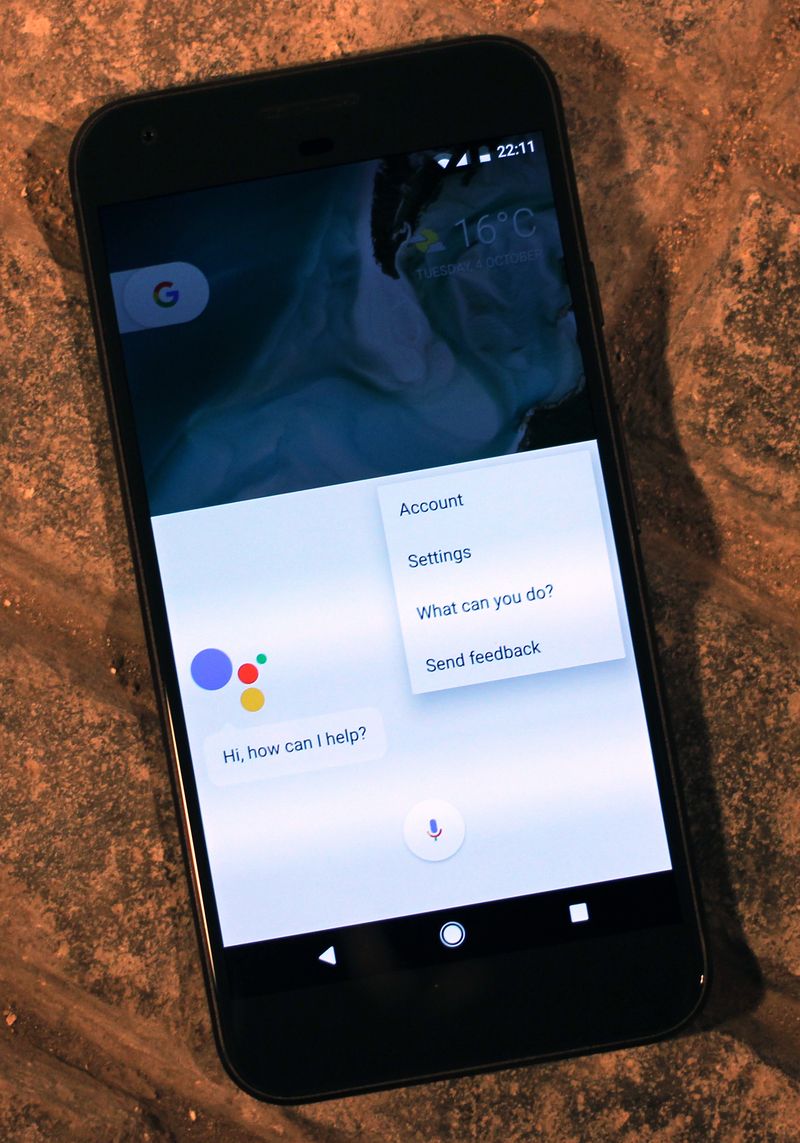
The complete Google Pixel 11 specs have leaked, revealing all four models running the Tensor G6 on TSMC's 2nm process. The standard Pixel 11 features a 6.3-inch 120Hz OLED hitting 2200 nits, a 4840mAh battery, and a brand-new 50MP "chemosh" camera sensor. Pro models gain an RGB LED "Pixel Glow" strip in the camera bar, but lose the thermometer sensor. No IR face unlock on any model. Announcement expected mid-2026.
Tensor G6 on TSMC 2nm — Is Google Finally Catching Up?
Okay, let me just say it: I have been waiting for Google to ditch Samsung Foundry for their Tensor chips, and this leak confirms it's finally happening. All four Pixel 11 devices — the standard, Pro, Pro XL, and the rumored Pro Fold — will run the Tensor G6 built on TSMC's 2nm process node.
I've used every Pixel since the Pixel 3, and the Tensor chips have always been brilliant for AI tasks but frustratingly behind on raw efficiency. The Tensor G5 in the Pixel 10 was a step forward, but it still ran hotter than I'd like during extended photo processing. Moving to TSMC 2nm should dramatically improve both performance per watt and thermal management.
What excites me most is what this means for on-device AI. Google has been leaning hard into local AI processing — live translation, call screening, photo editing — and a more efficient chip means these features can run longer without demolishing your battery. If the G6 delivers even half the efficiency gains that TSMC's 2nm promises on paper, the Pixel 11 could finally be the "all-day AI phone" Google has been promising since the Pixel 6.
Standard Pixel 11 Specs: What You Actually Get
Let's break down what the base model Pixel 11 looks like based on the leak:
| Spec | Pixel 11 Standard |
|---|---|
| Display | 6.3" OLED, 120Hz, 2200 nit peak |
| Processor | Tensor G6 (TSMC 2nm) |
| Battery | 4840mAh |
| Main Camera | 50MP "chemosh" sensor (new) |
| Face Unlock | Camera-based only (no IR) |
| Thermometer | Not included |
The 2200-nit peak brightness is a solid bump. I remember squinting at my Pixel 8 screen during a hike last summer, and outdoor readability has been a consistent weak point. At 2200 nits, it's approaching what the iPhone 16 Pro offered, and that screen was genuinely excellent in direct sunlight.
The 4840mAh battery is interesting — it's a modest increase, but combined with the 2nm efficiency gains, I'd expect noticeably better battery life. Google's adaptive battery software has always been smart about power management, so the hardware-software combination could be compelling here.
The "Chemosh" Camera Sensor — A Fresh Start for Pixel Photography?
This is the spec that caught my attention most. Google is using a completely new 50MP sensor codenamed "chemosh" for the standard Pixel 11. This is a departure from the Samsung GN-series sensors that Pixel phones have relied on for years.
I don't know yet who manufactured the chemosh sensor — could be Sony, could be Samsung's newer lineup — but the fact that Google is giving the standard model its own dedicated sensor instead of a hand-me-down from last year's Pro is a strong signal. It suggests Google is taking the base model camera more seriously, which is great news for the majority of buyers who don't spring for the Pro.
Meanwhile, the Pro models reportedly get different sensors entirely, codenamed "bastet" and "barghe" for the main and telephoto cameras. Three different codenames for three different camera roles across two tiers — Google is clearly investing heavily in differentiated imaging hardware.
Pixel Glow: Google's Answer to Nothing's Glyph?
Here's the wildcard feature I didn't see coming. The Pro models will have an RGB LED strip embedded in the camera bar called "Pixel Glow." If you're familiar with Nothing Phone's Glyph interface, this is Google's take on the concept — programmable LEDs that pulse for notifications, display charging progress, and can even serve as a fill light.
I have to admit, when Nothing first did this with the Phone (1), I thought it was a gimmick. But after using a Nothing Phone (2a) for a few months, I found myself genuinely appreciating the notification glow when my phone was face-down on a desk. It's subtle, it's useful, and it doesn't require you to pick up the phone to check if that buzz was important.
Google adding this to the Pixel Pro line tells me the concept has proven itself. The big question is whether Google will open up an API for developers to create custom Glow patterns — that's what would elevate it from a neat hardware trick to a genuine platform feature.
What's Missing: No IR Face Unlock, No Thermometer on Pro
Two notable absences in the leak. First, there's still no IR face unlock on any Pixel 11 model. I've been hoping Google would bring back the secure face unlock from the Pixel 4 era, but it seems they're sticking with the under-display fingerprint sensor as the primary biometric. As someone who wears gloves half the winter, this is disappointing.
Second — and this one's surprising — the thermometer sensor that debuted on the Pixel 8 Pro has been removed from the Pro models. I actually used the thermometer more than I expected, mostly for checking if my coffee was cool enough to drink (yes, really) and for checking soil temperature in my garden. But I suspect Google's usage data showed that most people tried it once and forgot about it.
Sometimes removing features is the right call. If it freed up internal space for a larger battery or better haptics, I'd consider it a net positive. But if you're one of the few thermometer devotees, this one stings.
More from Daily Flash Byte
GameStop Offers $56 Billion to Buy eBay — What It Means Pennsylvania Sues Character AI Over Chatbot Posing as PsychiatristFrequently Asked Questions
What chip does the Google Pixel 11 use?
All four Pixel 11 models share the Tensor G6 SoC built on TSMC's 2nm process node, marking Google's first chip on this advanced fabrication technology.
What is the Pixel Glow feature on Pixel 11 Pro?
Pixel Glow is an RGB LED strip embedded in the camera bar of the Pro models, similar to Nothing's Glyph interface. It can display notification patterns, charging status, and serve as a fill light for video calls.
Does the Pixel 11 have IR face unlock?
No. Google has not included IR face unlock on any Pixel 11 model. The devices continue to rely on under-display fingerprint sensors and standard camera-based face unlock.
What camera sensors does the standard Pixel 11 use?
The standard Pixel 11 uses a new 50MP sensor codenamed "chemosh" as its primary camera, a different sensor from the Pro models which use sensors codenamed "bastet" and "barghe."
When will the Google Pixel 11 be announced?
The Pixel 11 lineup is expected to be announced at a Google hardware event in mid-2026, likely in June or July, following Google's recent launch cadence for Pixel devices.