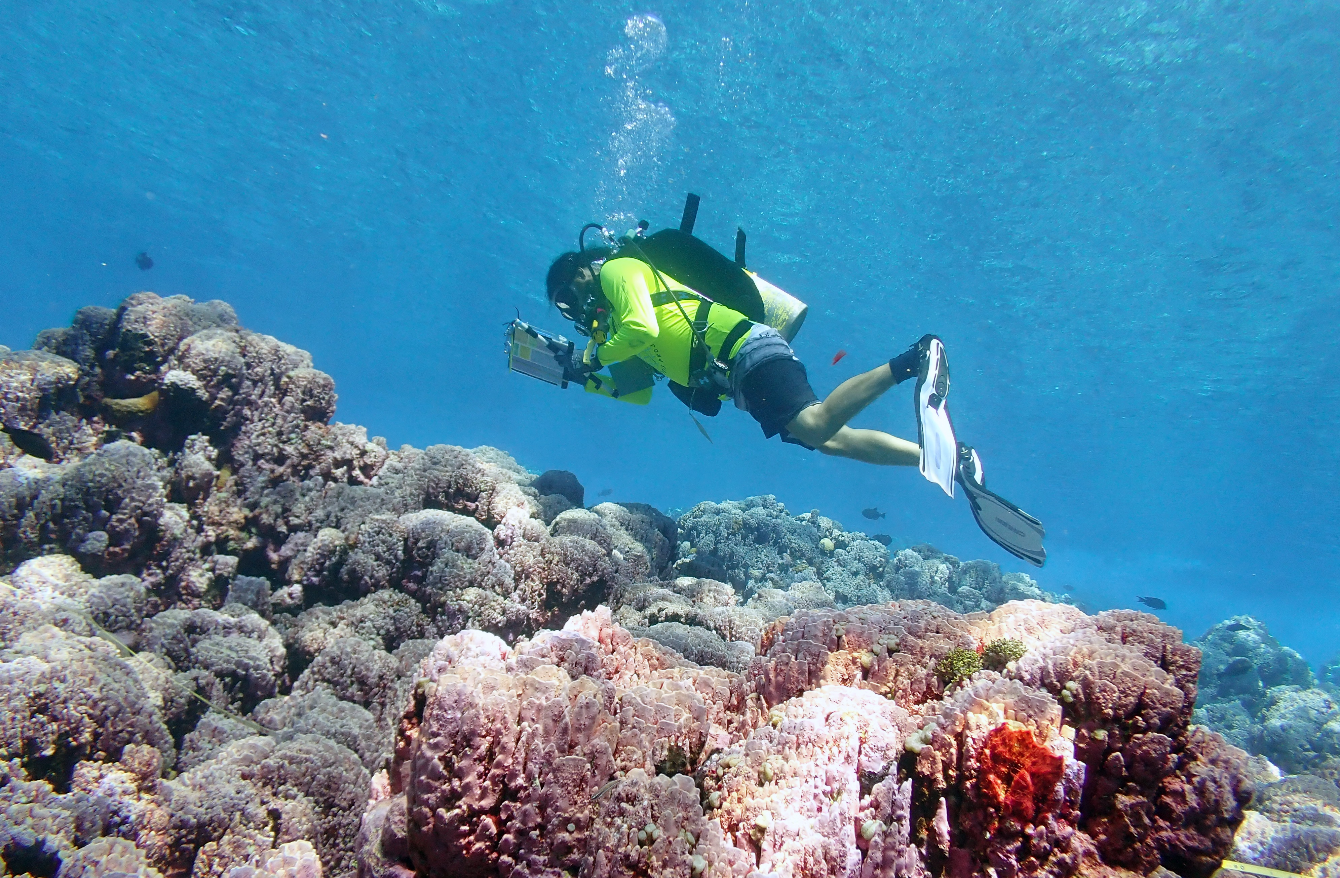

What Kind of Game Is Life Below, Exactly?
I've been playing Life Below for about 12 hours now, and I'm still not entirely sure how to categorize it. It's not quite a city builder, though you're building habitats. It's not quite a nature documentary game, though it teaches you plenty about marine biology. It's not quite a survival sim, though your ecosystems can absolutely collapse if you make bad decisions.
The closest comparison I can make is something like Oxygen Not Included meets Planet Zoo, but set entirely underwater. You start with a small patch of ocean floor and a handful of foundational species -- some coral, some seagrass, a few invertebrates. From there, you build upward and outward, introducing new species, managing food chains, balancing water chemistry, and responding to environmental events that can range from minor temperature fluctuations to full-blown ecological crises.
What surprised me most is how much the game trusts you to figure things out. There's a tutorial, but it's minimal. The real learning happens through experimentation: introduce a predator too early and your herbivore population collapses. Ignore water acidity for too long and your coral bleaches. Every decision has cascading consequences, and the game is patient enough to let those consequences unfold naturally.
The Environmental Storytelling Is Subtle and Effective
A lot of games with environmental themes hit you over the head with the message. Life Below doesn't do that. Instead, the environmental storytelling is woven into the mechanics themselves. You learn about ocean acidification not because a character lectures you about it, but because your coral starts dying and you have to figure out why.
There's a narrative thread running through the campaign mode about a research station documenting changes in a fictional ocean region, but it's intentionally low-key. The real story is the one you create through your management decisions. I found myself genuinely invested in the health of my reef ecosystem -- not because the game told me to care, but because I'd spent hours building it and could see the fragile interconnections between species.
Photo: Ansgar Gruber / CC BY-SA 2.0
.jpg)
The Management Layer Has Real Depth
Don't let the calming aesthetic fool you. Life Below's management systems are genuinely complex. Each species has specific habitat requirements, dietary needs, and reproductive cycles. Introducing a new species into your ecosystem means thinking through the entire food web -- what does it eat, what eats it, how does it compete for space, and what happens to water chemistry as its population grows?
I made the mistake early on of introducing too many filter-feeding species into a small area. They outcompeted each other for plankton, the population crashed, and the species that depended on them for food followed. Rebuilding that part of the ecosystem took me a solid two hours. It wasn't frustrating -- it was fascinating, because the game gave me clear enough feedback to understand what went wrong and try a different approach.
The sandbox mode removes the environmental crisis events and lets you build freely, which is perfect for players who want the creative side without the pressure. But personally, I prefer the campaign mode, where you have to adapt your ecosystem to changing conditions. That's where the game's design really shines.
Sound Design and Visuals Deserve Special Mention
I need to talk about the sound design, because it's exceptional. The ambient underwater audio -- bubbling, distant whale calls, the clicking of shrimp, the gentle rush of currents -- creates an atmosphere that's almost meditative. I've caught myself leaving the game running in the background just for the soundscape while I work.
Visually, Life Below punches well above its weight for an indie title. The lighting effects as sunlight filters through water layers, the way bioluminescent creatures glow in deeper zones, the subtle particle effects of sand being disturbed by bottom-feeding species -- it's all remarkably polished. The art team clearly studied real underwater footage, and it shows.
Who Should Play Life Below?
If you enjoy management sims, ecological thinking, or just want something genuinely different in your gaming rotation, Life Below is worth your time. It's not for adrenaline seekers -- there's no combat, no time pressure in sandbox mode, and the pace is deliberately slow. But for players who find satisfaction in building complex, interconnected systems and watching them thrive (or troubleshooting when they don't), this is one of the most rewarding indie releases of 2026 so far.
I went in expecting a simple aquarium builder and came out thinking differently about marine ecosystems. That's a sign that the game is doing exactly what it set out to do.