Qualcomm Chip Stocks Crash: Is the AI Rally Finally Hitting a Wall?

Chip stocks got hammered today. Qualcomm plunged 11%, Intel dropped 7%, Skyworks Solutions fell 5%, and Marvell shed 4%. The iShares Semiconductor ETF (SOXX) sank 3% in what feels like the most significant pullback since the AI-driven rally began. After months of seemingly unstoppable gains, investors are asking a question that was inevitable: did we get ahead of ourselves?
The Numbers Are Ugly and There's No Sugarcoating It
I've been covering semiconductor stocks since the AI boom kicked into overdrive, and I won't pretend today didn't hurt my portfolio. It did. Qualcomm down 11% in a single session is the kind of move that makes you stare at your screen and question every bullish thesis you've ever held. But let's break down what actually happened before we spiral into doomsday territory.
| Stock / ETF | Drop | Sector |
|---|---|---|
| Qualcomm (QCOM) | -11% | Mobile / Auto chips |
| Intel (INTC) | -7% | CPU / Foundry |
| Skyworks Solutions (SWKS) | -5% | Analog / RF chips |
| Marvell Technology (MRVL) | -4% | Data infrastructure |
| iShares Semiconductor ETF (SOXX) | -3% | Broad semiconductor |
The selloff wasn't triggered by a single catastrophic event. There's no fraud scandal, no supply chain collapse, no sudden geopolitical shock. What happened is more mundane but arguably more important: the market collectively decided that after months of relentless climbing, semiconductor valuations had disconnected from near-term reality. Price-to-earnings ratios across the sector had ballooned to levels that only make sense if AI revenue materializes exactly as fast as the most optimistic projections suggest. Today, doubt crept in.

Is This a Correction or a Trend Reversal?
This is the million-dollar question, and I'll give you my honest take: I think this is a correction, not a reversal. Here's why. The fundamental drivers of the AI chip boom haven't changed. Datacenter spending is still projected to grow at 20%+ annually through 2030. Every major tech company — Microsoft, Google, Meta, Amazon — is pouring tens of billions into AI infrastructure. The demand for GPUs, TPUs, and custom AI accelerators isn't theoretical anymore; it's showing up in quarterly earnings as real revenue.
What has changed is investor sentiment. When a sector runs as hot as semiconductors have run over the past 18 months, you reach a point where the trade gets crowded. Too many people are in the same position, riding the same thesis, using the same leverage. When someone blinks — when one fund manager decides to take profits — it cascades. That's what today looks like to me. Not a fundamental breakdown, but a mechanical unwinding of positions that had gotten too concentrated.
That said, I want to be honest about the risks I see. Qualcomm's 11% drop is outsized compared to the broader sector, and that suggests company-specific concerns beyond general AI sentiment. Qualcomm's exposure is more mobile and automotive than pure AI datacenter, and there are legitimate questions about smartphone chip demand in the back half of 2026. If the consumer market softens while AI spending plateaus even briefly, Qualcomm is more vulnerable than pure-play AI chip companies.
What This Means for AI Investors Right Now
I'm not selling. I want to be clear about that. But I'm also not buying more today, because trying to catch a falling knife in a sector-wide selloff is how portfolios bleed. My approach is simple: wait for stabilization, watch the volume, and look for which names recover first. The ones that bounce back strongest typically have the most conviction behind them from institutional investors.
If you're holding a diversified semiconductor position through an ETF like SOXX, a 3% pullback after the gains we've seen is essentially noise. Painful noise, sure — nobody likes seeing red — but noise nonetheless. The people who should be concerned are those who went all-in on individual chip stocks with high leverage. That's a different risk profile entirely, and today is a reminder of why concentration risk matters.
I also think it's worth watching Intel specifically over the next few days. Their 7% drop compounds an already tough 2026 for the company. The foundry turnaround story keeps getting extended, and at some point, patience runs out. If Intel breaks below key technical levels, it could drag the broader sector lower regardless of what the AI-focused names are doing.
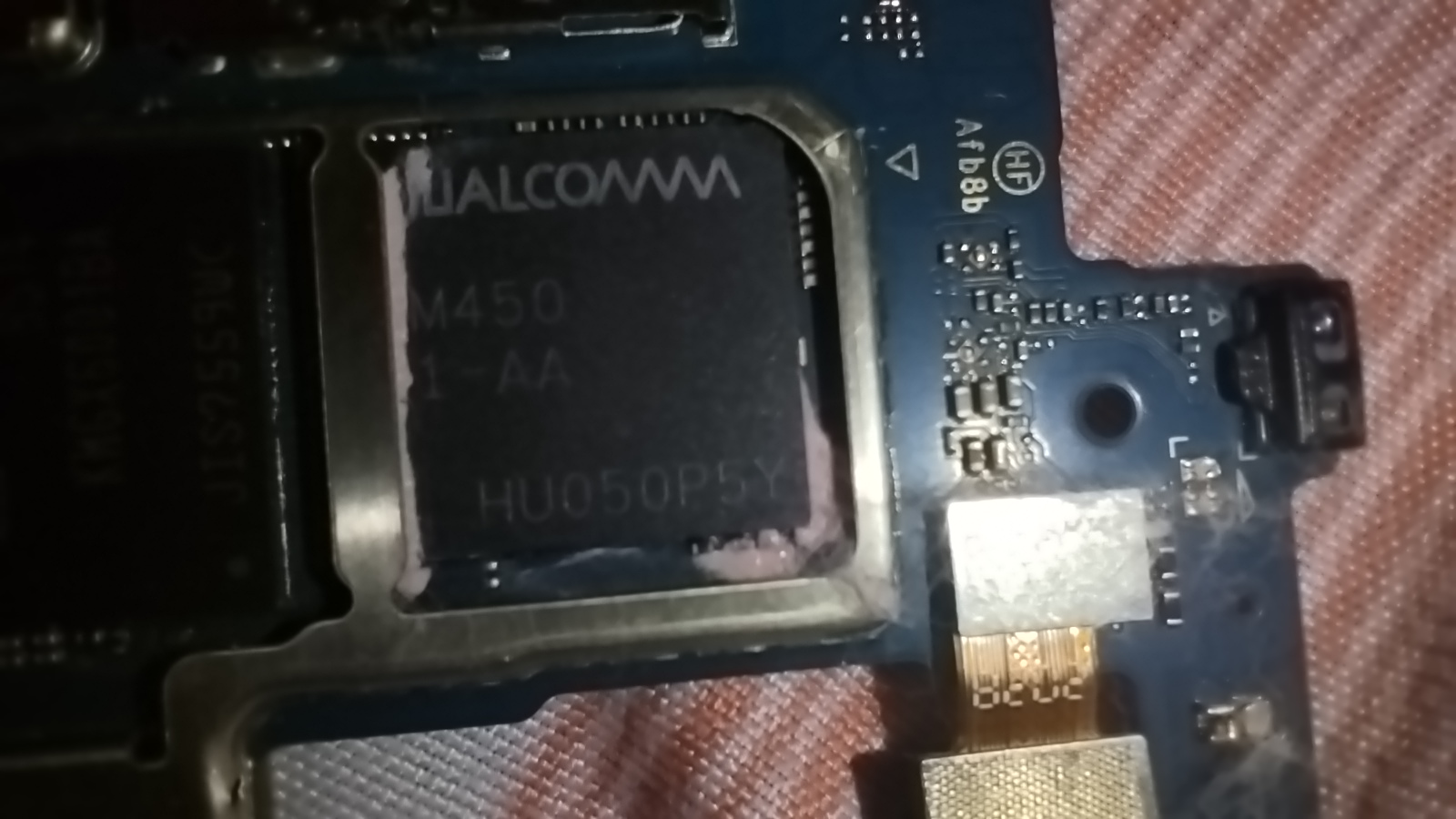
The Semiconductor Market Was Due for a Reality Check
Let me say something that might be unpopular in tech investing circles: this selloff was healthy. When any sector goes parabolic the way semiconductors have, a correction isn't just expected — it's necessary. Markets that only go up breed complacency, and complacency breeds reckless decision-making. I've seen too many retail investors in the past year treat chip stocks like guaranteed returns, piling in without understanding the cyclical nature of the semiconductor industry.
Semiconductors have always been cyclical. Always. The AI narrative convinced a lot of people that this time was different, that the cycle had been broken by an unprecedented demand shift. And maybe it partially has — AI spending is genuinely structural, not speculative. But "structural demand" doesn't mean "stocks only go up." It means the long-term trend is positive. Short-term, you still get corrections, profit-taking, and sentiment swings. Today was a reminder.
My bottom line? If you invested in semiconductors because you believe AI is transforming computing infrastructure over the next decade, nothing that happened today should change that thesis. If you invested because the chart looked good and everyone on social media was bullish, today should be a wake-up call to build a real investment thesis. The AI chip story isn't over. But the easy money phase probably is.
Related Stories
Micron Stock Hits $700 Record on AI Demand GameStop's $56 Billion eBay Bid Shakes the MarketFrequently Asked Questions
Why did Qualcomm stock crash?
Qualcomm dropped 11% amid a broader semiconductor selloff driven by profit-taking after the massive AI-fueled chip rally, concerns about smartphone chip demand softening, and growing investor anxiety about whether AI revenue can justify current valuations across the chip sector.
Is this the end of the AI chip rally?
It's more likely a correction than a trend reversal. The underlying demand for AI chips remains strong, but valuations had stretched well beyond historical norms. Healthy pullbacks of 10-15% are normal after extended rallies, and long-term AI infrastructure spending is still projected to grow through 2030.
Which chip stocks fell the most?
Qualcomm led the decline at -11%, followed by Intel at -7%, Skyworks Solutions at -5%, and Marvell Technology at -4%. The iShares Semiconductor ETF (SOXX) fell 3% overall, indicating the selloff was broad-based across the sector.
Should I sell my chip stocks now?
This is not financial advice, but panic selling during corrections has historically been a poor strategy. Investors should evaluate their individual risk tolerance, time horizon, and whether the companies they hold have strong fundamentals. The semiconductor industry's long-term growth trajectory driven by AI demand hasn't fundamentally changed.
How does this affect AI companies like NVIDIA?
While the broader semiconductor selloff puts pressure on all chip stocks, companies with direct AI datacenter exposure like NVIDIA tend to be more resilient during these corrections. NVIDIA's order backlog and datacenter revenue provide a stronger floor than companies more exposed to consumer and mobile chip markets.