Netflix's "RAFA" Documentary Drops May 29 — Everything We Know About the Nadal Series
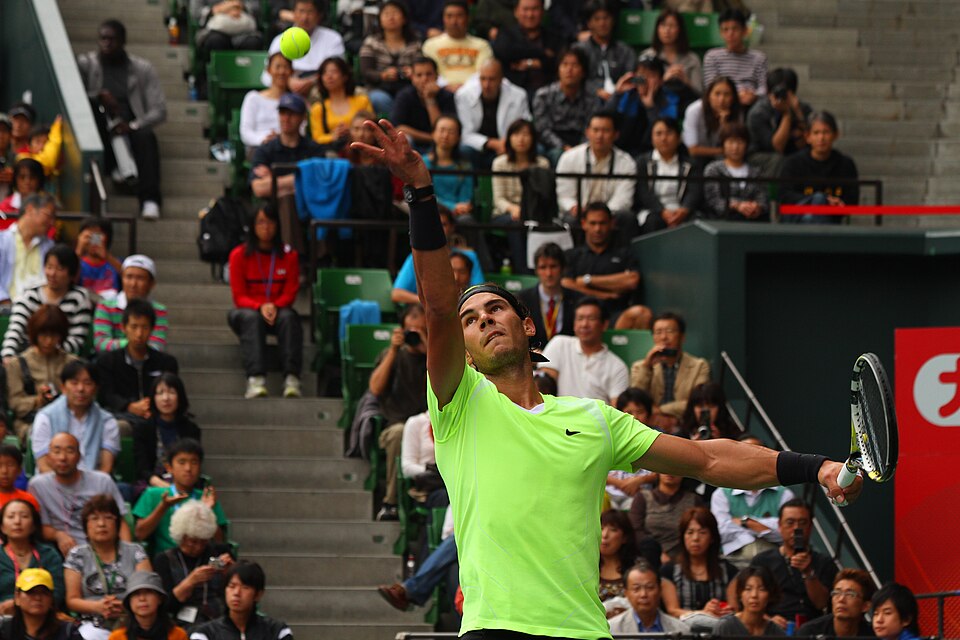
Netflix's "RAFA" documentary drops on May 29, 2026, and it's a 4-part series that covers the entirety of Rafael Nadal's career with his 2024 retirement year as its emotional spine. Directed by Oscar-nominated filmmaker Zachary Heinzerling, the series features interviews with Roger Federer, Novak Djokovic, and John McEnroe. If you've ever felt anything watching Nadal play tennis, this one is going to wreck you — in the best way possible.
Why This Documentary Already Feels Different
I've watched a lot of sports documentaries. Most of them follow the same formula: childhood footage, rise to prominence, adversity montage, triumphant comeback, legacy reflection. They're fine. They're competent. And they're almost always forgettable three weeks after you finish them.
RAFA feels different before I've even pressed play, and that's entirely because of the director. Zachary Heinzerling is not your typical sports doc filmmaker. He's the person behind "Cutie and the Boxer," an Oscar-nominated documentary about an aging Japanese artist couple in Brooklyn that was so raw and intimate it felt like you were eavesdropping on someone's marriage. That sensibility — patient, human, uninterested in hagiography — applied to Rafael Nadal's story has me genuinely excited in a way I haven't been for a sports documentary since "The Last Dance."
The decision to structure the entire series around the 2024 retirement year is smart. It gives the filmmakers a natural narrative engine — we know where this is heading, and every flashback to earlier career moments carries the weight of that ending. It's the difference between a chronological career recap and an actual story with emotional architecture. I'm betting the final episode, whenever they show that last match against Zverev at Roland Garros, is going to be absolutely devastating.
The Interview List Tells You How Important Nadal Is
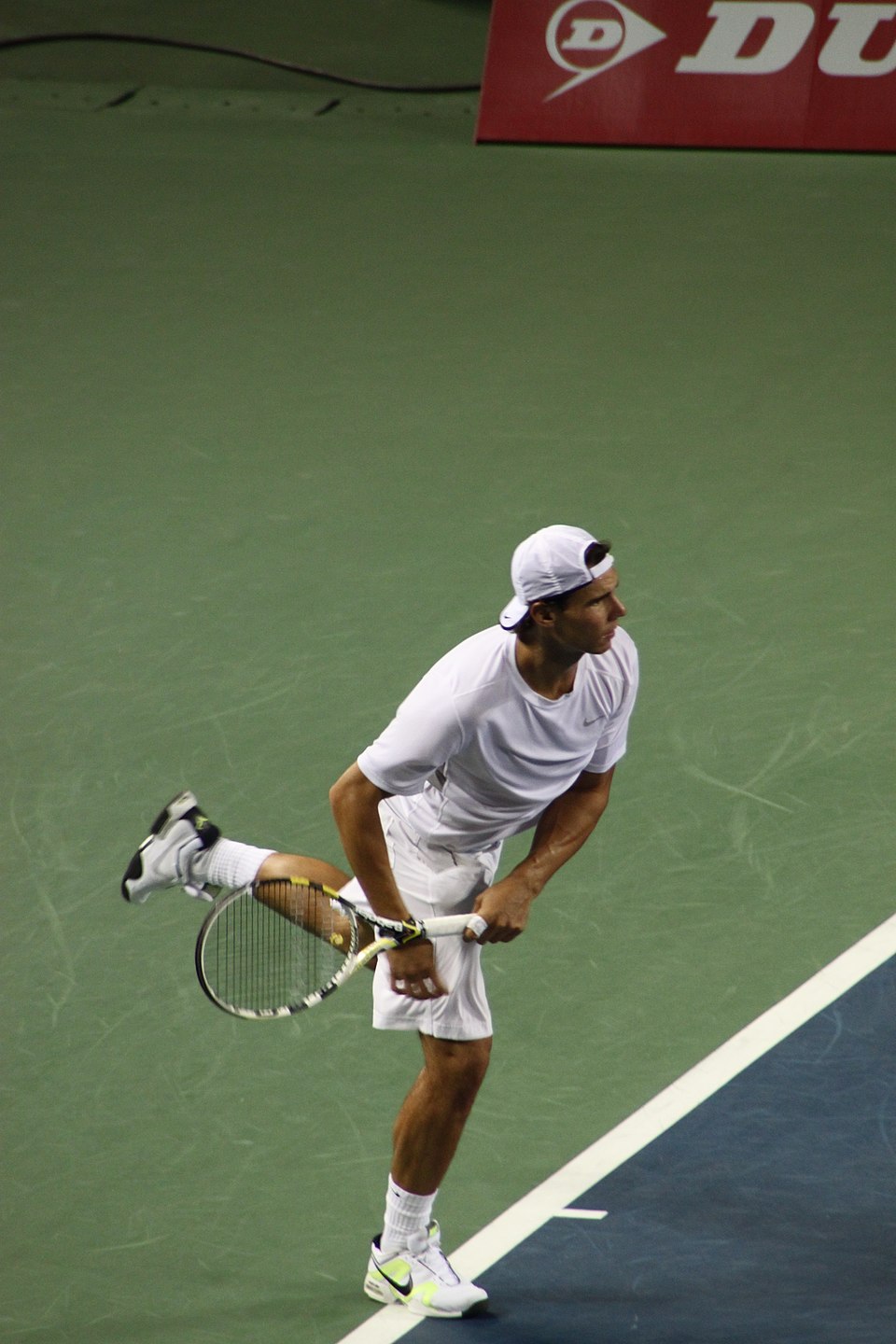
Roger Federer. Novak Djokovic. John McEnroe. When your two greatest rivals and one of the most opinionated legends in tennis history all agree to sit down and talk about you on camera, that tells you something about the level of respect you earned. These aren't promotional soundbites — these are the people who understand better than anyone what Nadal did and what it cost him.
I'm most curious about Federer's segments. The Federer-Nadal rivalry is, in my opinion, the greatest in the history of individual sports. Not just tennis — all individual sports. The way these two pushed each other while maintaining genuine mutual respect and what seems to be real friendship is almost unprecedented. When Federer cried at Nadal's side during the Laver Cup farewell, it felt like watching two people mourn something that belonged to both of them. Whatever he says in this documentary will carry emotional weight that no narrator or expert commentator could replicate.
Djokovic's perspective fascinates me for different reasons. His rivalry with Nadal was arguably more contentious, more physically brutal, and less romanticized by the media. I want to hear what Djokovic says about those Roland Garros matches where he had to walk onto Nadal's court — and I mean that literally, it was Nadal's court — knowing that the crowd, the surface, the legacy, everything was stacked against him. That's a perspective only one person on earth can provide.
14 Roland Garros Titles — A Number That Doesn't Make Sense
Numbers in sports lose their impact when you see them on screen enough times. But 14 Roland Garros titles is a number that gets more insane the longer you think about it. Not 14 Grand Slam titles across four different majors — 14 titles at one single tournament. He won the French Open in 2005 and then basically didn't stop winning it until his body physically couldn't carry him anymore. The red clay of Paris was his kingdom, and everyone else was just visiting.
I watched most of those finals live, staying up late or rearranging my entire day around the schedule. And every single time, even when Nadal was the overwhelming favorite, there was this electric tension because you knew — you just knew — that he was going to find a way to make it dramatic. The running forehands that had no business going in. The impossible defensive retrievals that turned into winners. The fist pumps and the primal screams that made you feel like he was fighting for his life, not playing a tennis match. He made every point feel like life or death, and somehow it never got old.
22 Grand Slams total. That number puts him in a conversation with maybe three or four other people in tennis history, depending on how you weight different eras and surfaces. But the 14 at Roland Garros is the number that will outlive all of us. Someone might eventually win 23 or 24 Grand Slams. Nobody is winning 14 French Opens. That record is as close to permanent as anything in sports can be.
The Retirement Year as a Narrative Device
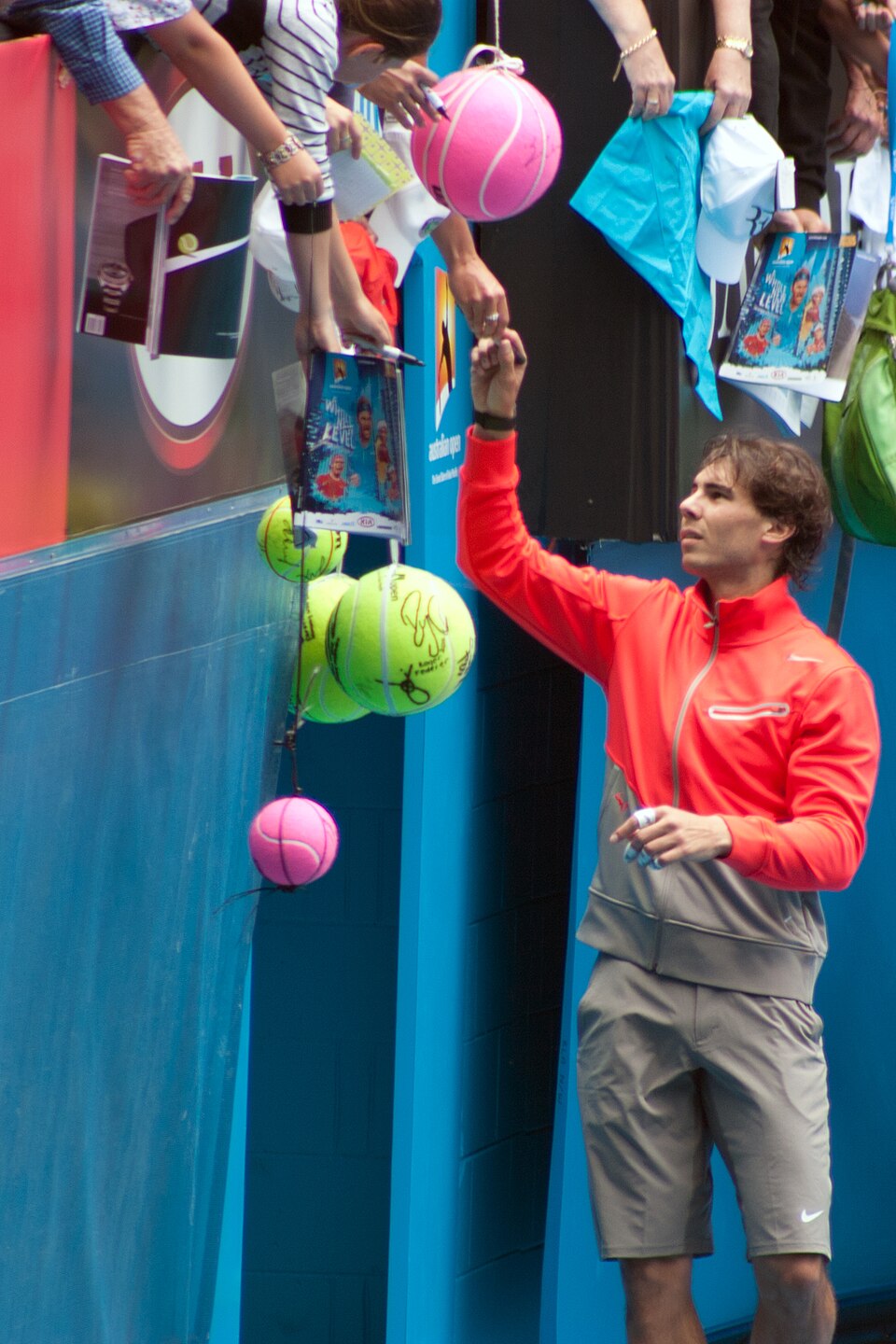
Using the 2024 retirement year as the series' spine is the kind of storytelling choice that separates good documentaries from great ones. That final year was painful to watch as a Nadal fan. His body, which had been held together by willpower and medical science for the better part of a decade, was finally done. The injuries that had haunted him his entire career — the knees, the foot, the wrists — converged in a way that even Nadal's legendary pain tolerance couldn't overcome.
His last match — a loss to Alexander Zverev at the French Open, his home court, his fortress — was one of the most emotionally heavy moments I've experienced watching sports. This was the place where he was invincible, where he built his legend, and he walked off that court for the last time knowing it was over. There's a devastating irony in the fact that his final professional defeat happened at Roland Garros. The place that gave him everything took the last match too.
I expect the documentary to handle this with the gravity it deserves. Heinzerling has the filmmaking chops to let those moments breathe instead of burying them under narration and talking heads. Sometimes the most powerful thing a documentary can do is just show you someone's face in the moment and let you sit with what you're seeing. If RAFA does that — if it trusts the audience to feel instead of being told how to feel — it'll be a masterpiece.
What This Means for Tennis Documentaries Going Forward
The tennis documentary space has been surprisingly quiet compared to other sports. We've had some good ones — "Strokes of Genius" about Federer vs. Nadal at Wimbledon 2008 was excellent — but nothing on the scale that basketball, football, or Formula 1 have received. Netflix changed F1's entire audience demographic with "Drive to Survive." The RAFA documentary could do something similar for tennis, especially among younger viewers who might not have watched Nadal play in real time but know his name and cultural significance.
I hope this opens the door for a Djokovic documentary, a Serena Williams documentary (the real, deep-dive one, not just a highlight reel), and eventually a Federer documentary that matches this level of filmmaking. These athletes' stories deserve to be told by serious directors with serious budgets, not as promotional content for streaming platforms. RAFA, based on everything we know so far, appears to be the real deal.
Related Stories
Welcome to Wrexham Season 5 Premiere — Everything We Know Good Girl's Guide to Murder Season 2 Coming to NetflixFrequently Asked Questions
When does the Rafa Nadal Netflix documentary premiere?
RAFA premieres on Netflix on May 29, 2026. All four episodes will be available to stream on launch day.
How many episodes is the RAFA documentary?
The series consists of four episodes covering Nadal's entire career. The narrative spine is his 2024 retirement year, with flashbacks to key career moments throughout.
Who directed the RAFA Netflix documentary?
Zachary Heinzerling directed the documentary. He's an Oscar-nominated filmmaker known for intimate, character-driven documentaries including "Cutie and the Boxer."
Does Roger Federer appear in the Nadal documentary?
Yes. Federer, Novak Djokovic, and John McEnroe are among the notable interview subjects in the series, offering their personal perspectives on Nadal's career and legacy.
How many Grand Slams did Rafael Nadal win?
Nadal won 22 Grand Slam singles titles, including an unprecedented 14 French Open championships at Roland Garros. His final professional match was a loss to Alexander Zverev at the 2024 French Open.