Why Does This Reopening Matter Beyond Washington?
I have walked through half-finished museum renovations before, but following the Air and Space Museum's eight-year transformation feels different. The timing alone makes it significant: the museum opens its doors fully on its own 50th birthday, and it happens to fall during the Semiquincentennial — America's 250th anniversary. That kind of alignment does not happen by accident. The Smithsonian planned this reopening as a national moment, not just a facilities project.
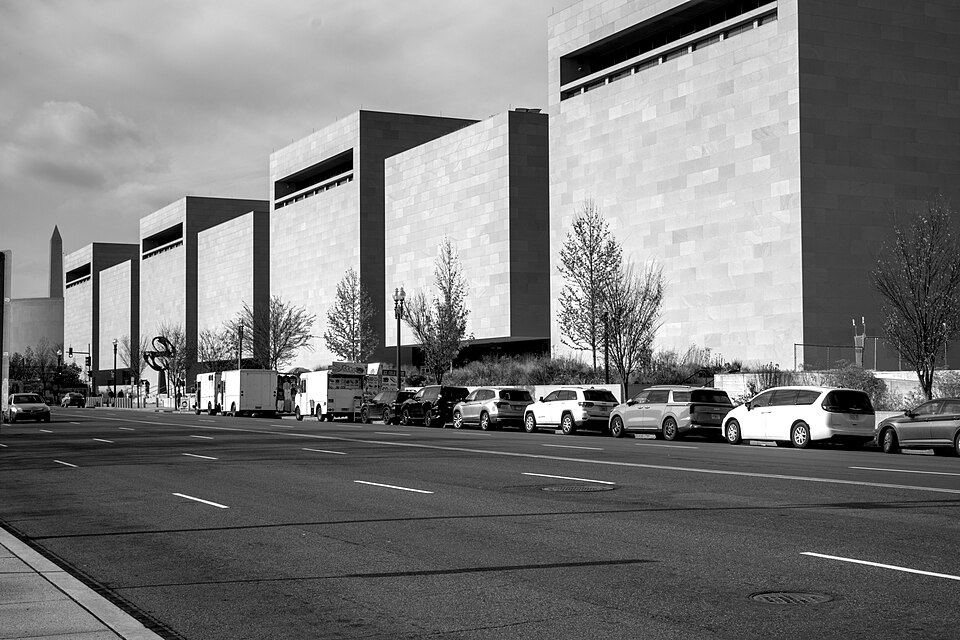
The scale of the work matters too. This was not a cosmetic refresh. Every single one of the 20 exhibition galleries has been redesigned from scratch. The building got a complete exterior refacing — the marble cladding that had weathered since 1976 was stripped and replaced. A new entry vestibule changes how visitors first experience the space. For a building that welcomed more than 300 million visitors across its first five decades, this is the most ambitious museum renovation in Smithsonian history.
Which Iconic Artifacts Are Coming Back?
The artifacts that made this museum legendary are returning to their galleries. The Spirit of St. Louis — Lindbergh's transatlantic monoplane — goes back on display after years in storage. The X-15 rocket plane, which still holds the record for the fastest crewed powered aircraft, returns alongside the Mercury Friendship 7 capsule that carried John Glenn into orbit in 1962. The Apollo Lunar Module 2, a test vehicle that represents the engineering behind the moon landings, will be viewable again. And the touchable moon rock — one of the museum's most beloved interactive features — comes back for visitors to put their hands on a piece of another world.
I stood in front of the Spirit of St. Louis the last time it was on display, and I remember thinking how impossibly small it looked for a transatlantic crossing. Seeing it return to a fully reimagined gallery context — surrounded by modern interpretive design rather than 1970s-era display cases — should give that aircraft the presentation it has always deserved.
What New Artifacts Reflect the Future of Flight?
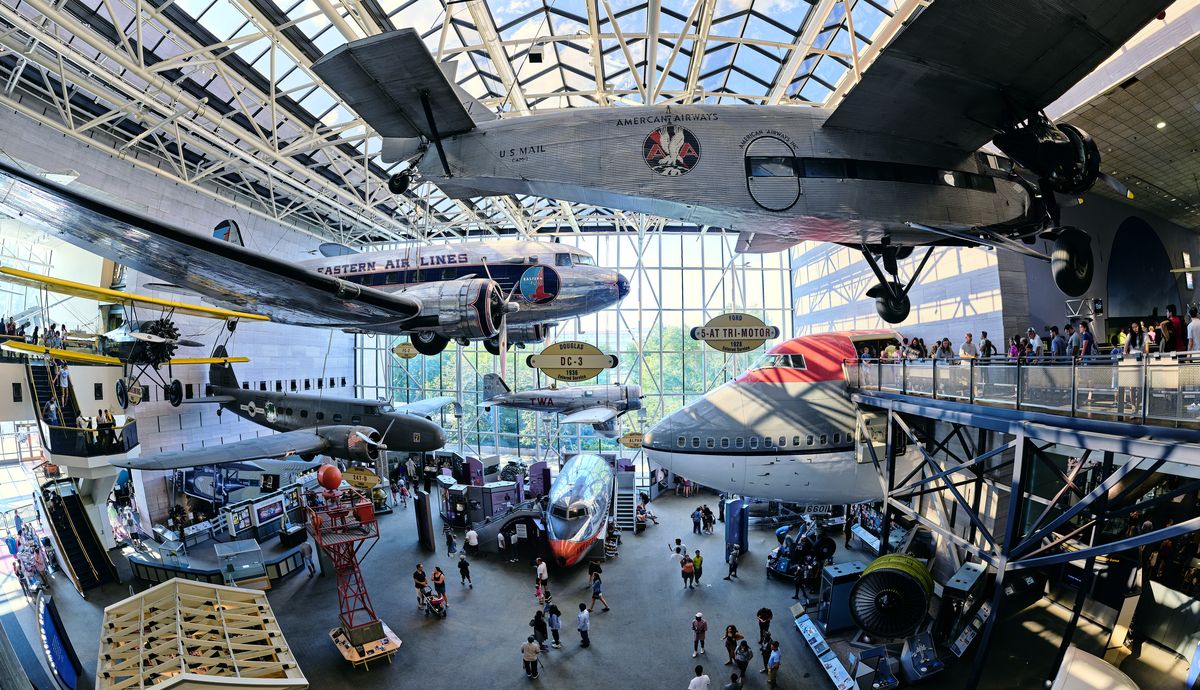
The museum is not just looking backward. Several new additions signal the expansion of aviation and space into the commercial era. A Sopwith F.1 Camel — the most effective Allied fighter of World War I — joins the collection as a reminder that aerial combat was once fought with fabric-covered biplanes. On the opposite end of the timeline, Virgin Galactic's RocketMotorTwo engine and a Blue Origin capsule represent the new generation of commercial spaceflight hardware.
Perhaps the most historically loaded new addition is one of Robert Goddard's early liquid-fuel rockets. Goddard launched the first liquid-fueled rocket in 1926 — the same year the museum concept was authorized by Congress. Displaying his actual hardware in a museum celebrating its own 50th anniversary creates a satisfying loop: the century-old roots of modern rocketry displayed in a building that exists because of those roots.
What Opened Early During the Renovation?
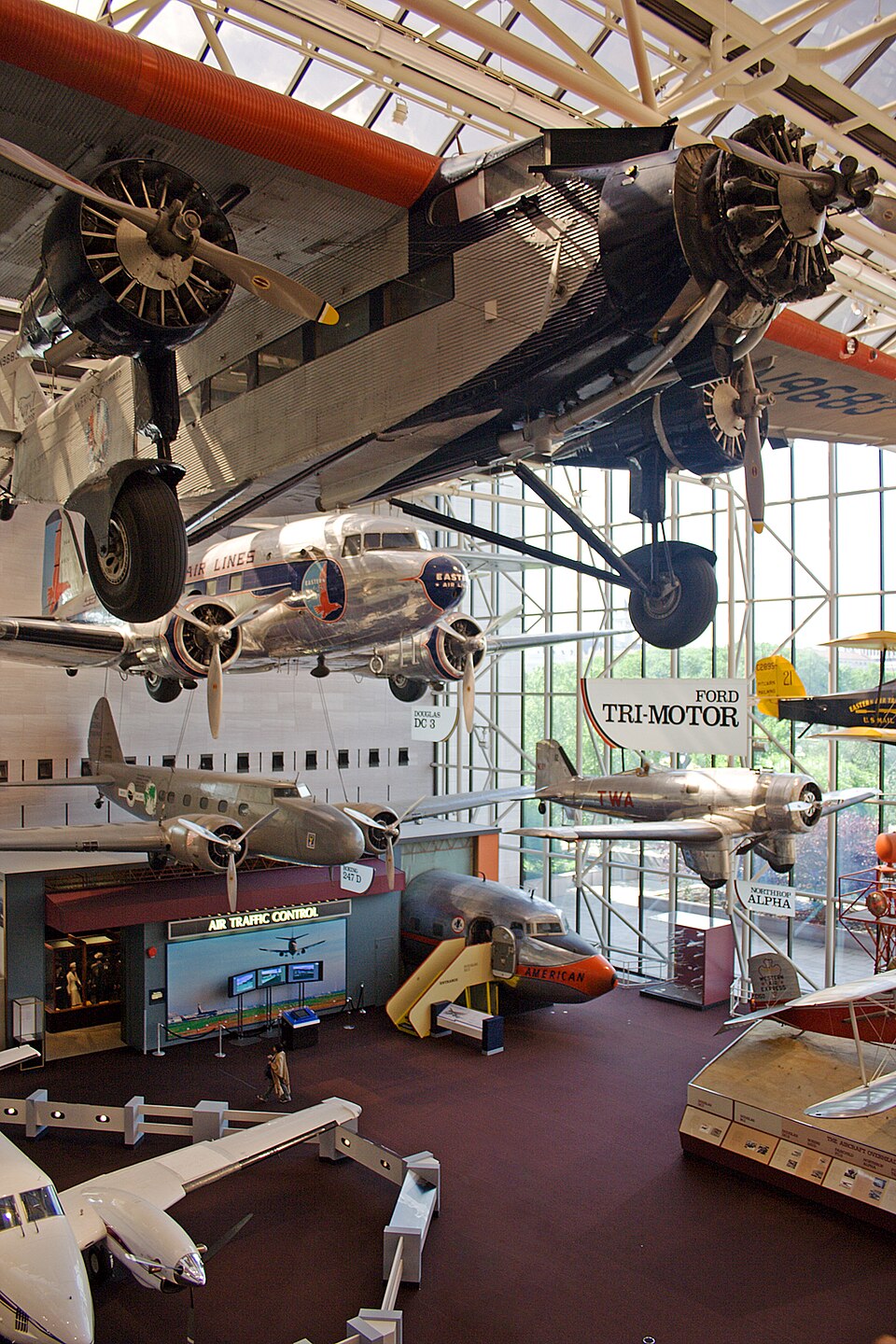
The Smithsonian did not keep the entire building shuttered for eight years. Five galleries opened ahead of the full reopening, including the Boeing Milestones of Flight Hall — the museum's signature central gallery — and Futures in Space, which focuses on upcoming human spaceflight ambitions. These early openings gave the public a preview of the new design language: more open sightlines, modern lighting, interactive digital displays, and a narrative approach that connects historical artifacts to contemporary technology.
The phased approach was smart operationally but also built anticipation. Visitors who saw the first five galleries knew exactly how dramatic the transformation was — and how much more was still coming. The July 1 reopening delivers the remaining 15 galleries in a single reveal, which is as close to a grand unveiling as museum logistics allow.
How Does the Timing Align With America's 250th?
The Semiquincentennial — America's 250th anniversary on July 4, 2026 — provides a national backdrop that amplifies everything happening on the Mall that week. The Air and Space Museum reopening three days before the Fourth of July means Washington will be flooded with visitors who can experience both celebrations. For families planning summer trips to the capital, the combined draw of the museum reopening and the 250th festivities creates a once-in-a-generation reason to visit.
From a cultural standpoint, reopening the nation's most visited museum during the nation's birthday milestone sends a message about what America chooses to celebrate. Aviation and spaceflight are woven into the national identity in ways that few other achievements match. The Wright Flyer, the Apollo program, the Space Shuttle — these are not just engineering feats. They are cultural touchstones that defined what seemed possible. Giving them a fully modernized home at this particular moment feels intentional and earned.