Best Smart Home Devices 2026: The Complete Buyer's Guide for Every Budget
Smart Speakers and Displays: Your Home's Command Center
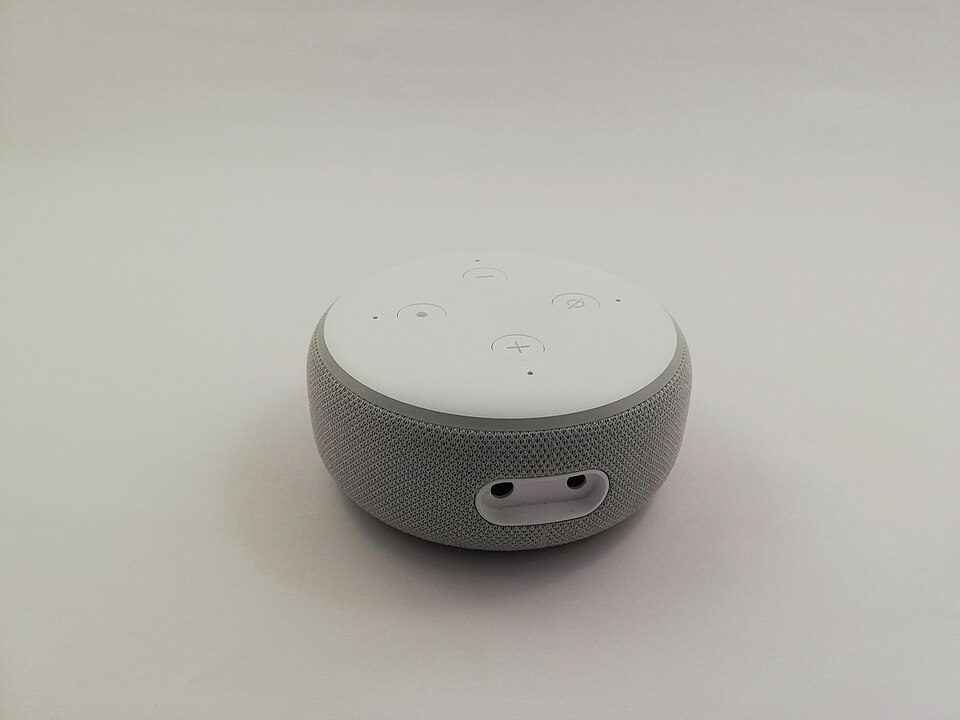
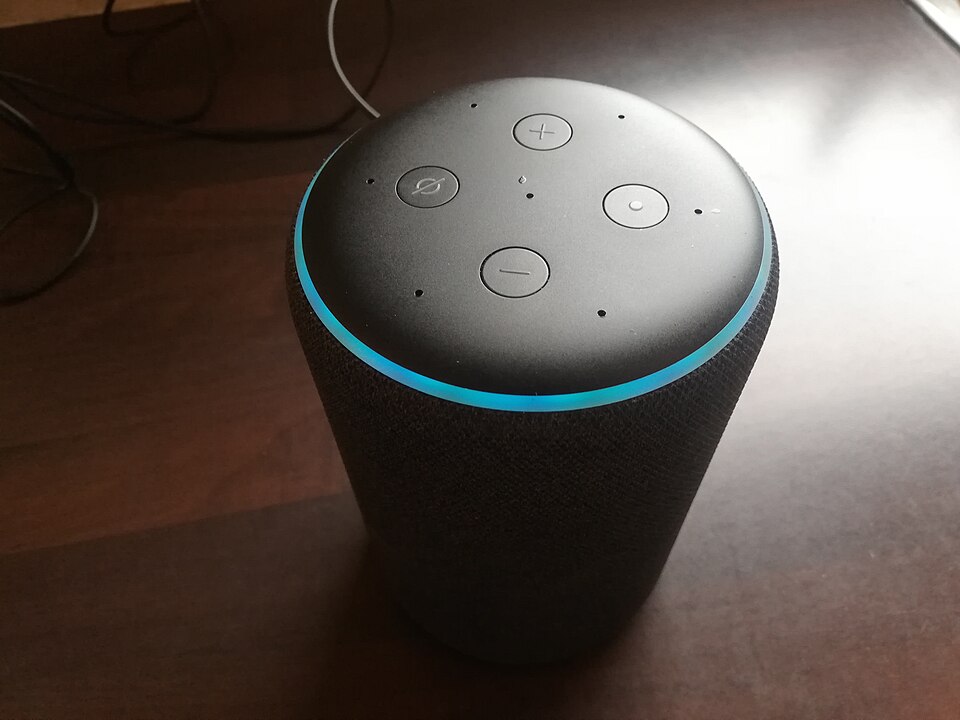
Smart speakers remain the foundation of any smart home setup. They control your other devices, answer questions, play music, and run automated routines. In 2026, the lines between speakers and displays have blurred, with even budget options offering impressive sound quality and AI capabilities.
Best Smart Speakers
- Amazon Echo (5th Gen) — $100: Best all-rounder. Excellent sound, Zigbee/Thread/Matter hub built in, and Alexa's device compatibility is still unmatched.
- Google Nest Audio — $90: Superior natural language processing. Google's AI routines are smarter at predicting what you want. Great Spotify integration.
- Apple HomePod (3rd Gen) — $299: Best sound quality by far. Deep Apple ecosystem integration. HomeKit's on-device processing is a privacy win.
- Amazon Echo Dot (5th Gen) — $35: Best budget pick. Surprisingly capable for the price, with Thread radio built in.
Best Smart Displays
- Amazon Echo Show 15 — $250: Wall-mountable 15.6" display that doubles as a family dashboard. Shows calendars, shopping lists, and security camera feeds.
- Google Nest Hub Max — $230: 10" display with the best video calling experience. Google Photos integration makes it a great digital picture frame.
- Amazon Echo Hub — $180: Dedicated smart home control panel. No speaker — designed purely as a wall-mounted touchscreen controller for all your devices.
Smart Locks and Video Doorbells: Security That Actually Works
Smart locks have come a long way from the clunky, battery-draining first generation. Modern locks combine multiple unlock methods — fingerprint, code, app, NFC, and traditional key — with reliable Matter connectivity and months of battery life.
Best Smart Locks
- Aqara U300 — $190: Best overall. Fingerprint + code + app unlock, Matter/Thread native, 8-month battery life, and a sleek low-profile design.
- Yale Assure Lock 2 Plus — $280: Premium pick with Apple Home Key support (unlock with iPhone/Apple Watch). Gorgeous design, rock-solid reliability.
- SwitchBot Lock Pro — $99: Best budget. Retrofits over existing deadbolts with no drilling. Matter support via SwitchBot Hub.
Best Video Doorbells
- Ring Battery Doorbell Pro — $180: Best overall. Bird's-eye view, package detection, and pre-roll video. Requires Ring subscription ($40/yr) for full features.
- Google Nest Doorbell (Wired, 2nd Gen) — $180: Best for Google homes. On-device face recognition, 24/7 recording, and intelligent alerts without subscription fees.
- Reolink Doorbell WiFi — $100: Best value. Local storage via microSD, no subscription needed, 2K video quality.
Robot Vacuums: Set It and Forget It
Robot vacuums in 2026 are genuinely capable of replacing manual vacuuming for most homes. The best models combine precision LiDAR navigation, AI obstacle avoidance, self-emptying docks, and mopping in a single unit.
- Roborock S9 MaxV Ultra — $1,400: Best overall. 12,000 Pa suction, hot water mop washing, auto-empty dock, and the smartest obstacle avoidance in the market.
- Ecovacs Deebot X5 Omni — $1,100: Best mopping. Unique square design reaches corners and edges. Excellent for hard floors.
- iRobot Roomba Combo j9+ — $900: Best for carpets. iRobot's carpet detection and auto-lift mop pad prevent wet carpet incidents.
- Dreame L20 Ultra — $800: Best value premium. Nearly matches the Roborock at a lower price point. Extending mop arm reaches baseboards.
- Roborock Q Revo — $450: Best budget all-in-one. Self-empty, auto-mop-wash, and LiDAR nav at a mainstream price.
Smart Lighting: The Easiest Upgrade
Smart lighting remains the simplest and most impactful smart home upgrade. A few smart bulbs or light strips can transform the ambiance of any room, automate routines (lights on at sunset, off at bedtime), and reduce energy consumption.
- Philips Hue Starter Kit (4 bulbs + Bridge) — $160: Gold standard. Massive ecosystem, reliable Zigbee/Matter bridge, and the best color accuracy. The app is excellent.
- Nanoleaf Essentials A19 (Matter) — $18/bulb: Best individual bulbs. Thread-native, no hub needed, and they work across all ecosystems via Matter.
- IKEA Dirigera Hub + Tradfri Bulbs — $80 starter set: Best budget system. Matter-compatible hub with affordable bulbs starting at $8 each.
- Govee RGBIC LED Strip — $40: Best light strips for bias lighting behind TVs or under cabinets. Wi-Fi controlled with music sync.
Smart Thermostats: Save Money Automatically
A smart thermostat typically pays for itself within the first year through energy savings. The best models learn your schedule, adjust to weather forecasts, and integrate with your other smart home devices for whole-home comfort automation.
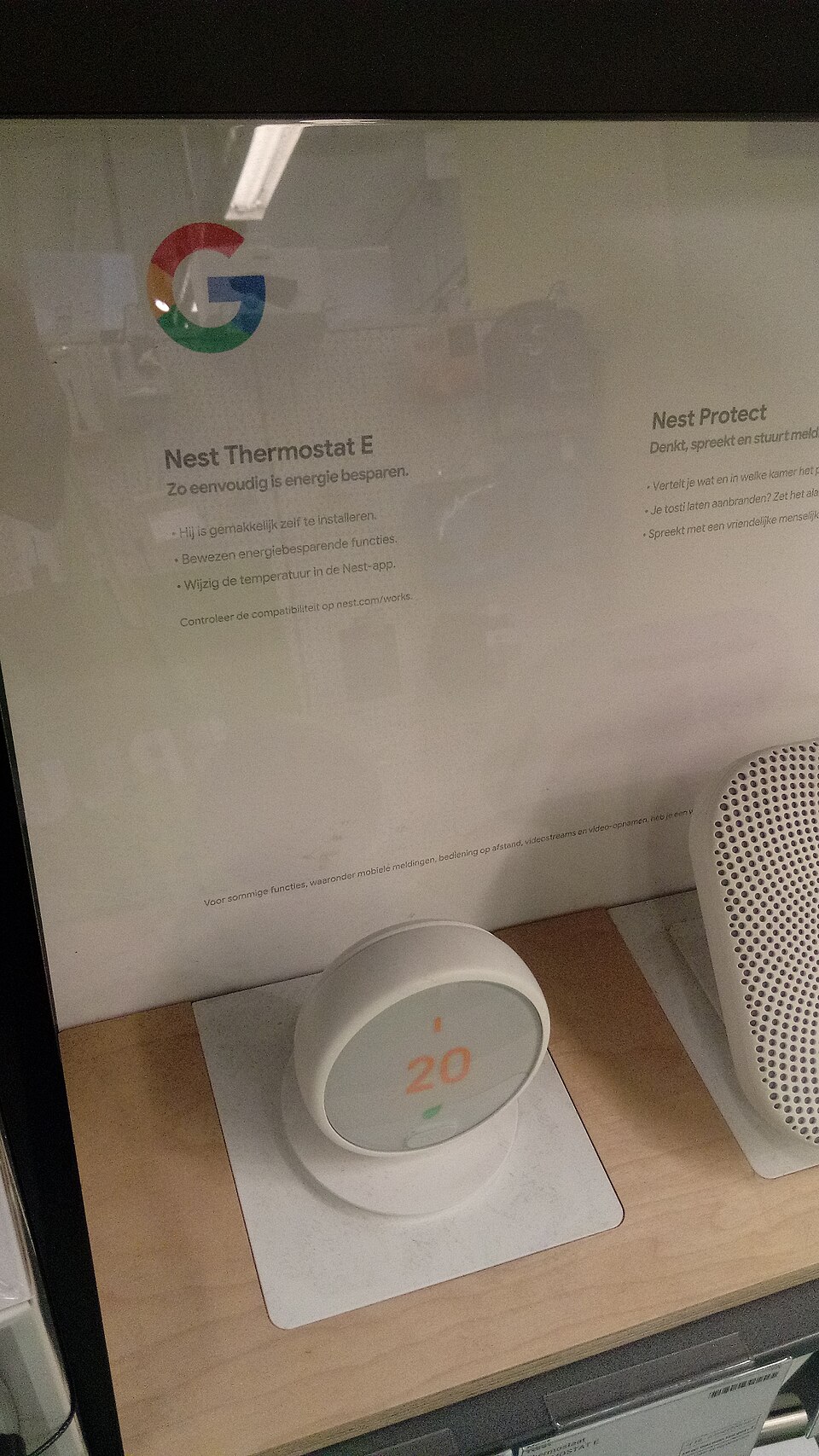
- Google Nest Learning Thermostat (4th Gen) — $280: Best overall. Gorgeous redesign with larger display, improved learning algorithms, and Matter support. Saves 10-15% on heating/cooling.
- Ecobee Smart Thermostat Premium — $250: Best with remote sensors. Includes a room sensor to balance temperatures across your home. Built-in Alexa speaker.
- Google Nest Thermostat — $130: Best budget. 90% of the features at half the price. Easy DIY installation and solid energy reports.
Security Cameras: Eyes on Your Home 24/7
Smart security cameras range from simple indoor monitors to full outdoor surveillance systems. The key differentiators in 2026 are local storage options (avoiding subscription fees), AI-powered person/package/pet detection, and Matter/HomeKit Secure Video support.
- Reolink Argus 4 Pro — $120: Best value. Dual-lens 4K, color night vision, local microSD storage, no subscription. The camera most people should buy.
- Arlo Ultra 2 XL — $300: Best premium. 4K HDR, 180-degree field of view, integrated spotlight and siren. Requires Arlo Secure plan for smart alerts ($8/mo).
- TP-Link Tapo C425 — $60: Best budget outdoor camera. 2K QHD, starlight sensor, IP66 weatherproof, local storage included.
- Eve Cam (Indoor) — $100: Best for privacy. HomeKit Secure Video only — all processing happens on your Apple TV or HomePod. No cloud, no subscription.
Top Smart Home Devices Comparison Table
| Category | Top Pick | Price | Matter | Best For |
|---|---|---|---|---|
| Smart Speaker | Amazon Echo (5th Gen) | $100 | Yes | All-round voice control |
| Smart Display | Amazon Echo Hub | $180 | Yes | Central control panel |
| Smart Lock | Aqara U300 | $190 | Yes | Fingerprint + versatility |
| Video Doorbell | Ring Battery Doorbell Pro | $180 | No | Package detection |
| Robot Vacuum | Roborock S9 MaxV Ultra | $1,400 | Yes | Total automation |
| Smart Lighting | Philips Hue Starter Kit | $160 | Yes | Ecosystem & color range |
| Thermostat | Nest Learning (4th Gen) | $280 | Yes | Energy savings + design |
| Security Camera | Reolink Argus 4 Pro | $120 | No | Value + no subscription |
Matter and Thread: The Protocols That Changed Everything
If you are buying smart home devices in 2026, Matter compatibility should be your first checkbox. Matter is the universal smart home standard backed by Apple, Google, Amazon, and Samsung that eliminates ecosystem lock-in. A Matter-certified smart lock works with Alexa, Google Home, and Apple HomeKit simultaneously — no separate apps or hubs required.
Thread is the networking protocol that complements Matter. Unlike Wi-Fi, Thread creates a low-power mesh network where each device strengthens the overall signal. Thread devices don't overload your Wi-Fi router, respond faster (typically under 100ms), and continue working even if your internet goes down.
In practice, look for devices labeled "Matter over Thread" for the best experience. Devices that use "Matter over Wi-Fi" still work but add load to your router and lack the mesh networking benefits.
Privacy Considerations: Protecting Your Smart Home
Every smart device you add is a potential data collection point. Here is how to build a smart home without sacrificing privacy:
- Choose local processing when possible. Apple HomeKit Secure Video processes camera footage on your Apple TV, not in the cloud. Home Assistant runs entirely on your local network.
- Create a separate Wi-Fi network. Most modern routers support guest networks or VLANs. Put all smart devices on an isolated network so a compromised bulb cannot access your laptop.
- Disable features you don't use. If you never use voice control on your thermostat, turn off the microphone. Less data collected means less data at risk.
- Keep firmware updated. Security patches matter. Enable automatic updates on all devices, and retire devices that no longer receive updates.
- Read privacy policies. Some budget brands sell usage data to third parties. Stick to brands with clear, transparent data practices.
Budget vs. Premium: What You Actually Need
Not everyone needs a $1,400 robot vacuum or a $300 smart speaker. Here are three tiers to match your budget:
Starter Setup ($250-$400)
One Amazon Echo Dot ($35), a 4-pack of Nanoleaf Essentials bulbs ($72), a SwitchBot Lock Pro ($99), and a Reolink doorbell ($100). Total: ~$306. This covers voice control, smart lighting, keyless entry, and doorbell security.
Mid-Range Setup ($800-$1,200)
Amazon Echo Show 15 ($250), Philips Hue starter kit ($160), Aqara U300 lock ($190), Nest Thermostat ($130), and Roborock Q Revo ($450). Total: ~$1,180. Full automation across lighting, climate, security, and cleaning.
Premium Setup ($2,500+)
Apple HomePod ($299), Echo Hub ($180), Yale Assure Lock 2 Plus ($280), Nest Learning Thermostat 4th Gen ($280), Roborock S9 MaxV Ultra ($1,400), Arlo Ultra 2 XL system ($600), and Philips Hue full-home kit ($400). Total: ~$3,439. The works.
Keep Reading
How to Build a Gaming PC in 2026: Complete Guide Nvidia and SK Hynix AI Factory Memory Partnership: HBM4 Changes EverythingFrequently Asked Questions
What is the best smart home ecosystem in 2026?
Amazon Alexa has the largest device compatibility, Google Home offers the smartest AI routines, and Apple HomeKit leads on privacy. With Matter support now widespread, most devices work across all three ecosystems, so choose based on your phone and preferences rather than worrying about lock-in.
What is Matter and why should I care?
Matter is a universal smart home protocol backed by Apple, Google, Amazon, and Samsung. Devices with Matter support work across all major ecosystems without brand-specific hubs. In 2026, most new smart home devices ship with Matter built in.
How much does a complete smart home setup cost in 2026?
Budget: $250-$400 for a speaker, smart bulbs, lock, and doorbell. Mid-range: $800-$1,500 with a display, thermostat, robot vacuum, and full lighting. Premium: $2,500+ for a whole-home system with multi-camera security and high-end devices across every category.
Are smart home devices a privacy risk?
Any internet-connected device carries some privacy risk. Minimize exposure by choosing devices with local processing (Apple HomeKit, Home Assistant), using a separate Wi-Fi network for smart devices, disabling unused features, and keeping firmware updated.
Do smart home devices work without internet?
Most require internet for voice control and cloud features. However, Matter and Thread devices communicate locally and maintain basic automations during internet outages. Smart locks always work via keypad or physical key regardless of connectivity.
What is Thread and how does it improve smart homes?
Thread is a low-power mesh networking protocol where each device extends the network's range. Unlike Wi-Fi, Thread doesn't overload your router and provides faster, more reliable local communication between devices. Combined with Matter, it's the ideal connectivity layer for smart homes.
Which smart home devices offer the best value for money?
Top value picks: Amazon Echo Dot 5th Gen ($35), Nanoleaf Essentials bulbs ($18 each), Google Nest Thermostat ($130), Reolink Argus 4 Pro ($120), and SwitchBot Lock Pro ($99). All support Matter and deliver strong performance at mainstream prices.