Nvidia and SK Hynix Just Locked Down the Future of AI Memory — And Their Competitors Should Be Worried
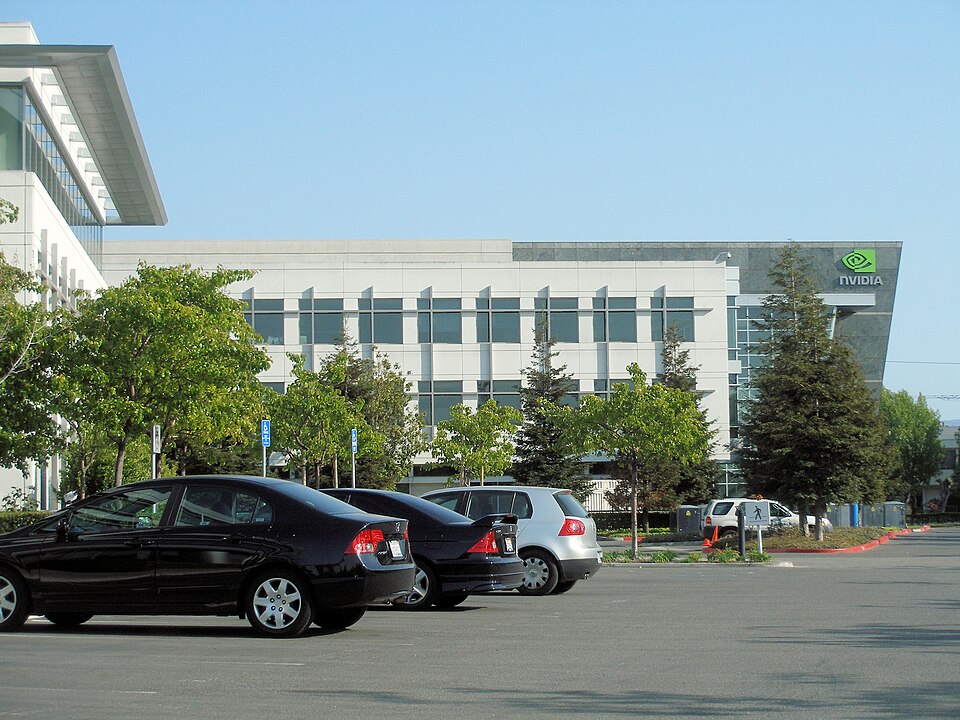
What Nvidia and SK Hynix Actually Announced
On June 7, Nvidia CEO Jensen Huang and SK Hynix CEO Kwak Noh-Jung revealed a multi-year co-development agreement focused exclusively on HBM4 — the next generation of High Bandwidth Memory designed for AI infrastructure at scale. This is not a simple supply contract. The two companies are embedding engineers in each other's facilities, sharing proprietary design specifications, and jointly investing in new fabrication processes.
The partnership covers three pillars: joint HBM4 architecture design, guaranteed volume allocation for Nvidia's upcoming Blackwell Ultra and Rubin GPU platforms, and a shared R&D roadmap extending through 2030. SK Hynix will build a dedicated HBM4 production line at its Icheon campus in South Korea, with capacity reserved primarily for Nvidia.
Let me be blunt: this is Nvidia locking down the memory supply chain the same way it locked down TSMC's advanced packaging capacity. If you are Samsung or Micron, you just got served.
Why HBM4 Is the Bottleneck That Matters
Everyone talks about GPU compute, but memory bandwidth is the real bottleneck in modern AI training. GPUs can crunch numbers faster than memory can feed them data. HBM3E, the current generation, tops out at around 1.2 TB/s per stack. HBM4 targets 2.4 TB/s per stack — a clean doubling that eliminates the bandwidth wall for most training workloads.
That bandwidth jump means fewer GPUs needed per training run. Fewer GPUs means lower power consumption, less cooling infrastructure, and dramatically lower costs per training dollar. For hyperscalers spending billions on AI clusters, even a 15% efficiency gain translates to hundreds of millions in savings annually.
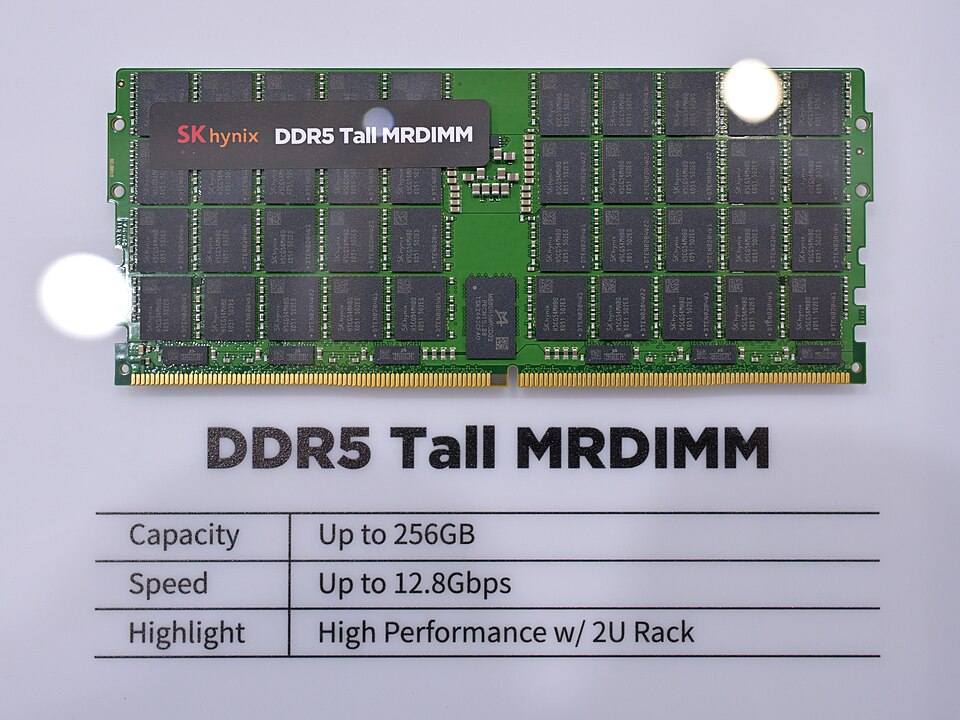
The Competitive Fallout: Samsung and Micron Under Pressure
SK Hynix already commands roughly 50% of the global HBM market. This deal effectively converts that lead into a structural moat. Samsung has been struggling with HBM3E yield issues for over a year now, and this announcement could not have come at a worse time for them.
Micron, meanwhile, has been gaining ground with its own HBM3E products and secured some Nvidia business in 2025. But a co-development deal is fundamentally different from a supply contract. Nvidia is telling the market: "We trust SK Hynix to build the future of AI memory with us." That is a signal that OEMs, cloud providers, and investors will not ignore.
My take: Samsung will need to either fast-track its own HBM4 program or pivot hard toward AMD and Intel partnerships. Micron may get squeezed into the mid-tier. The HBM market is about to consolidate around two camps — the Nvidia-SK Hynix axis and everyone else.
What This Means for Chip Stocks
The market reaction was immediate. SK Hynix shares jumped 8.3% on the Korea Exchange the trading day after the announcement. Nvidia added $45 billion in market cap. Samsung Electronics dropped 2.1%, and Micron slid 3.4% in after-hours trading.
For investors, the signal is clear: the AI infrastructure trade is no longer just about GPUs. Memory is becoming the second battlefield. SK Hynix is emerging as the picks-and-shovels play for the AI boom, and this partnership cements that thesis. If you are overweight Samsung in a semiconductor portfolio, it is time to re-evaluate your allocation.
| Company | HBM Market Share (Est.) | Stock Move (June 8) | HBM4 Status |
|---|---|---|---|
| SK Hynix | ~50% | +8.3% | Co-development with Nvidia |
| Samsung | ~35% | -2.1% | Yield issues, no Nvidia deal |
| Micron | ~15% | -3.4% | HBM3E supply only |
Impact on Data Center Costs and AI Model Training
HBM4 does not just make GPUs faster — it fundamentally changes the economics of AI training. Current estimates suggest that memory subsystem costs account for 30-40% of a typical AI training cluster's total cost. Higher bandwidth per stack means fewer stacks per GPU, which means lower per-unit costs even if the per-chip price is higher.
The real unlock is power efficiency. HBM4's redesigned I/O layer is expected to deliver 40% better performance-per-watt compared to HBM3E. For data centers that are already bumping up against power grid constraints, this is not an incremental improvement — it is the difference between building a new facility or not.
The Bigger Picture: Nvidia Is Building a Vertical Empire
Step back and look at Nvidia's moves over the past 18 months: locked in TSMC's CoWoS packaging capacity, acquired networking companies for data center interconnects, launched its own CPU line with Grace, and now secured exclusive HBM4 co-development. Nvidia is not just selling GPUs anymore. It is building a vertically integrated AI infrastructure stack.
That is both impressive and concerning. The more Nvidia controls the full stack, the harder it becomes for competitors to offer a credible alternative. AMD, Intel, and the various AI chip startups are all competing for whatever supply and partnerships Nvidia leaves on the table. This deal makes that table smaller.
Keep Reading
How to Build a Gaming PC in 2026: Complete Guide Nvidia RTX Spark: The 128GB AI Laptop That Changes EverythingFrequently Asked Questions
What did Nvidia and SK Hynix announce on June 7, 2026?
Nvidia and SK Hynix announced a strategic partnership to co-develop HBM4 (High Bandwidth Memory 4) specifically optimized for AI factory workloads. The deal includes joint R&D, guaranteed supply allocation for Nvidia's next-gen GPUs, and a shared roadmap through 2030.
What is HBM4 and why does it matter for AI?
HBM4 is the next generation of stacked memory offering roughly 2x the bandwidth of HBM3E at better power efficiency. For AI training, this means faster model convergence, lower energy costs, and the ability to train larger models with fewer GPUs.
How does this affect Samsung and Micron?
SK Hynix already holds ~50% of the HBM market. This exclusive co-development deal could lock Samsung and Micron out of the highest-margin AI memory segment, forcing them to seek alternative partnerships with AMD and Intel or compete on price.
Will this partnership lower AI training costs?
Yes, in the medium term. HBM4's higher bandwidth-per-watt ratio means data centers can train models using fewer GPUs, with industry estimates suggesting a 20-30% reduction in total cost of ownership for large-scale training clusters once HBM4 ships in late 2027.
When will HBM4 products be available?
SK Hynix targets mass production of HBM4 in H2 2027. Nvidia will integrate the chips into its Rubin GPU architecture. Early engineering samples are reportedly already in testing at select hyperscaler data centers.