French Open 2026 Main Draw Starts Tomorrow — Here's What You Need to Know About Roland Garros
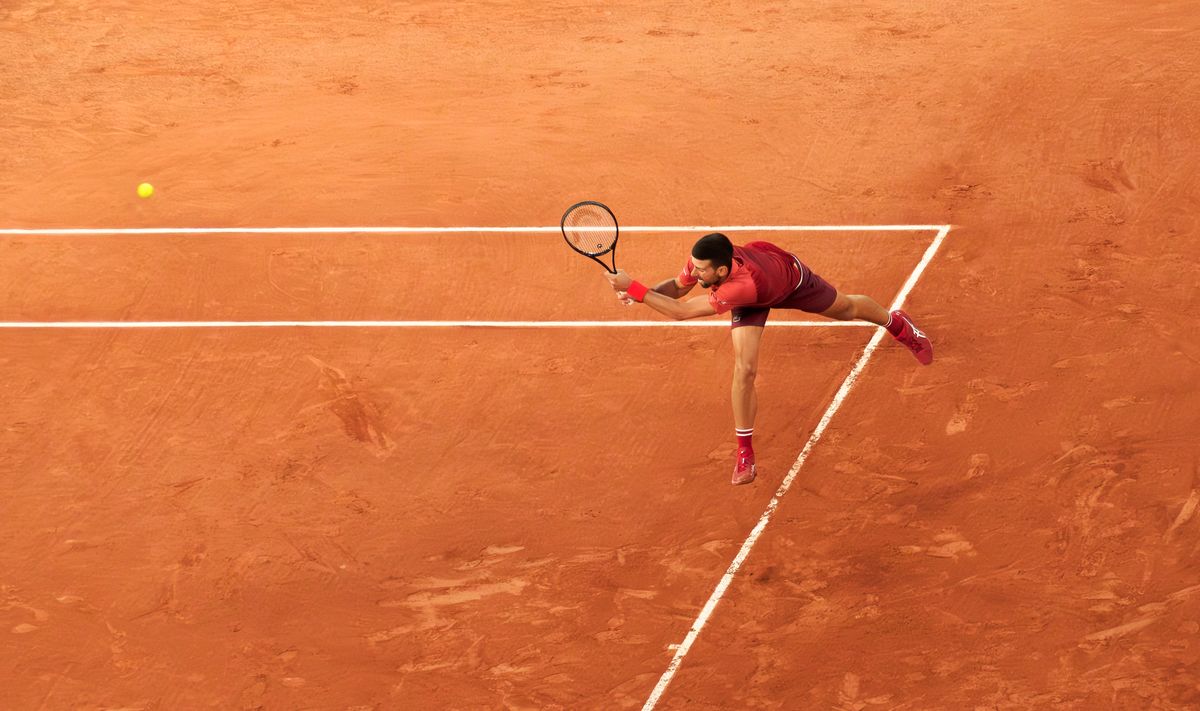
The 2026 French Open main draw kicks off tomorrow, Sunday May 24, at Roland Garros in Paris. Qualifying wrapped up on May 22, the draw was made Thursday, and now the real action begins. The tournament runs through June 7, with first matches on Philippe Chatrier court starting from 12pm. After a clay season full of surprises, this is shaping up to be one of the most open Roland Garros draws in years.
What Does the 2026 French Open Schedule Look Like?
The tournament follows the expanded three-week format that's become standard for Roland Garros. Qualifying ran from May 18-22, giving hopefuls their shot at the main draw through three grueling rounds on the outer courts. The main draw was set on Thursday, May 21, and now we know exactly who faces whom in those critical first-round matchups.
| Tournament Details | Info |
|---|---|
| Tournament | Roland Garros (French Open) 2026 |
| Dates | May 18 – June 7, 2026 |
| Qualifying | May 18–22 (completed) |
| Main Draw Starts | Sunday, May 24 |
| Draw Date | Thursday, May 21 |
| Venue | Roland Garros, Paris |
| Surface | Red clay (outdoor) |
| Chatrier Start Time | 12:00 PM local |
Sunday's opening day is always a bit chaotic in the best way. You get 64 matches crammed across every available court, and the atmosphere at Roland Garros is unlike anything else in tennis. The smell of the clay, the Parisian crowds who actually know tennis, the way the afternoon light hits Chatrier — it's a sensory overload that television simply cannot capture. I was there in 2023 and spent most of the first day bouncing between the outer courts where the real drama happens. The main courts get the stars, but Courts 6 through 14 are where you see qualifiers playing the match of their lives against seeded opponents who'd rather be anywhere else on Day 1.
Who Are the Clay Court Contenders to Watch?
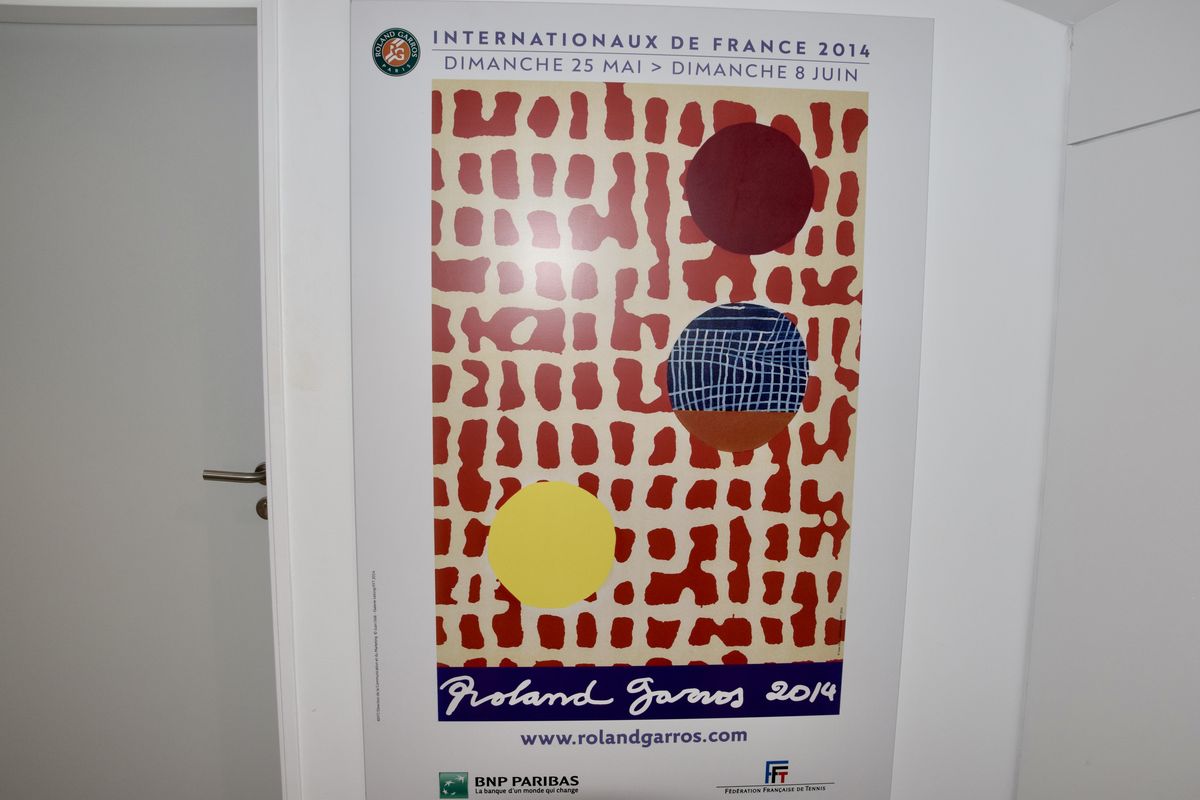
The clay court season leading into Roland Garros has been fascinating. The post-Nadal era at this tournament is still finding its identity, and the gap between the favorites and the field feels smaller than it has in over a decade. That's both exciting and terrifying for anyone trying to predict a winner.
The top seeds will have their targets, but clay court tennis is uniquely punishing. Matches regularly stretch past three hours in the men's draw, and the surface rewards relentless physicality over flashy shotmaking. Players who cruise through hardcourt tournaments on big serves and quick points find themselves drowning in four-hour rallies on Chatrier. It's the Grand Slam that demands the most from your body, your patience, and your mental resilience.
What I find compelling about this year's draw is the depth. Clay court specialists who typically peak at Roland Garros have had strong lead-up results, and several younger players have shown they can compete on this surface at the highest level. The days of one player locking down this tournament for a decade are over — this is anyone's title to win.
Why Does the Clay Surface Matter So Much at Roland Garros?
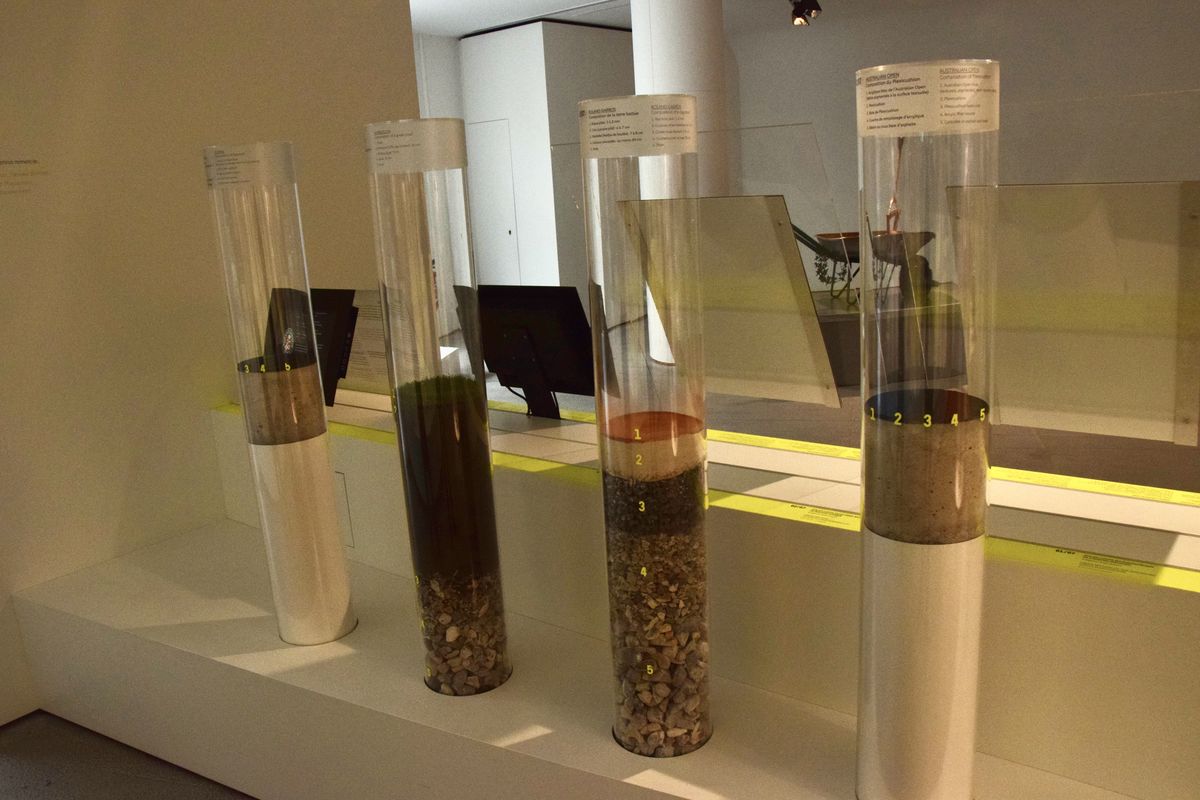
Clay is the great equalizer in tennis — and also the great separator. The red dirt at Roland Garros slows the ball down, makes it bounce higher, and gives defensive players more time to chase down shots that would be winners on any other surface. This fundamentally changes the tactical equation for every player in the draw.
Big servers struggle here. The surface absorbs pace, so a 130mph first serve that earns free points at Wimbledon or the US Open becomes returnable at Roland Garros. Conversely, players with heavy topspin thrive because the clay amplifies the kick on their shots. A well-struck forehand with massive spin can bounce up to shoulder height, turning routine returns into defensive scrambles.
The physical toll is the other critical factor. Clay court points last significantly longer than on hard courts — an average rally at Roland Garros involves more shots and more ground to cover. By the second week, you can see it in players' legs. The ones who prepared properly through the clay season, building endurance through Madrid and Rome, have a tangible advantage over those who arrived in Paris without enough matches on the dirt.
This is why qualifying matters so much here. The players who battled through three qualifying rounds from May 18 to 22 already have five days of competitive clay court tennis in their legs before the main draw even starts. That can go either way — they're either match-sharp and riding momentum, or they're already running on fumes when they face a well-rested seed in the first round.
What Should Fans Watch for on Opening Day?
First-round day at a Grand Slam is controlled chaos, and Roland Garros does it better than most. Philippe Chatrier court opens with the marquee matches from 12pm, but the real connoisseurs know to check the outer court schedule first. That's where the upsets happen.
Keep an eye on the qualifiers who made it through. They'll be drawn against seeded players and top-50 opponents, and the ones who are still fresh and firing can cause genuine problems. Clay court qualifiers at Roland Garros have a historically higher upset rate than at other Slams because the surface rewards gritty, battle-tested players — and nobody is more battle-tested than someone who just won three matches in three days to get here.
The weather in Paris in late May can also play a role. Roland Garros now has a retractable roof on Chatrier and a covered Suzanne Lenglen court, so rain delays don't wipe out the schedule like they used to. But the outer courts remain exposed, and a rain interruption on Day 1 can scramble the entire first week's organization. Check the Paris forecast before you plan your viewing schedule.
For me, the narrative I'm most invested in is whether a new champion emerges or whether the established contenders reassert themselves. This tournament has been won by a relatively small group of players over the past two decades, and every year there's speculation about a breakthrough. This draw, with its depth and unpredictability, feels like it could finally deliver one.
Frequently Asked Questions
When does the French Open 2026 main draw start?
The French Open 2026 main draw begins on Sunday, May 24, 2026. Qualifying rounds took place from May 18-22, and the tournament runs through June 7.
Where is the 2026 French Open held?
The 2026 French Open is held at Roland Garros in Paris, France. The main show court is Philippe Chatrier, with matches starting from 12pm local time.
How long does the French Open 2026 last?
The 2026 French Open runs from May 18 to June 7 — a three-week window that includes qualifying and the full main draw through the singles finals.
When was the 2026 French Open draw made?
The main draw for the 2026 French Open was made on Thursday, May 21. It determines all first-round matchups and the path each player faces through the tournament bracket.
What surface is the French Open played on?
The French Open is played on red clay courts. Clay is the slowest Grand Slam surface, favoring baseline players with heavy topspin and physical endurance over big servers and net rushers.