Instagram's AI Flash Filter Is the Biggest Social Media Trend of May 2026
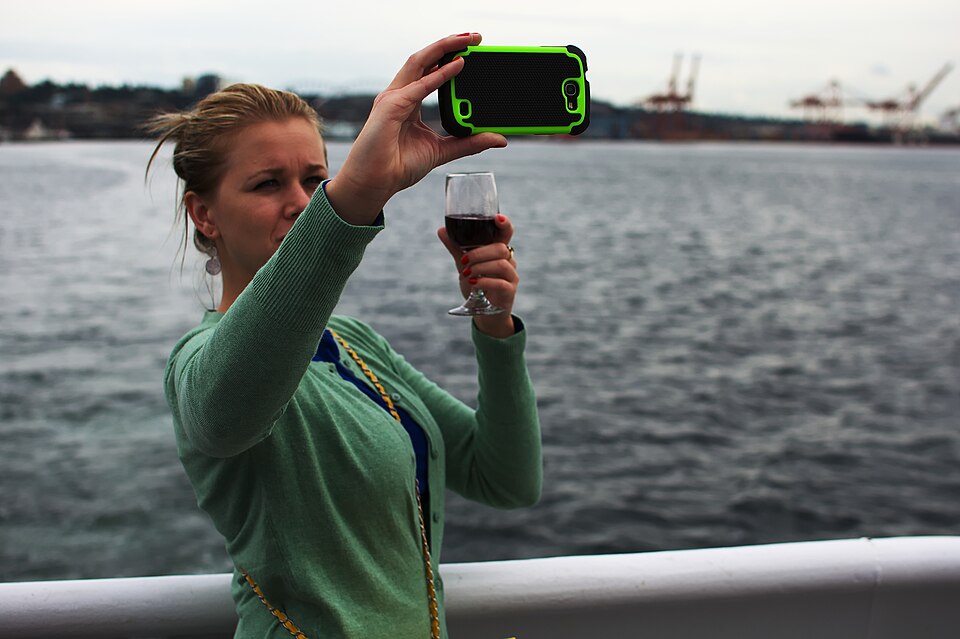
Instagram launched an AI-powered "Flash" filter in Stories in early May 2026, and it has already become the platform's most viral effect of the year. The filter uses on-device AI to transform any photo into a harsh-flash, late-2000s digicam shot — grainy, overexposed, and unapologetically raw. It's dominating Reels, reshaping brand content strategies, and riding a massive Y2K nostalgia wave.
What Exactly Does the Flash Filter Do to Your Photos?
I tried the Flash filter the morning it appeared in my effects tray, and within about three seconds I understood why it's everywhere. You take a normal, well-lit selfie — good lighting, decent composition, the kind of photo you'd normally run through a brightness slider — and the filter obliterates all of that careful effort. In the best possible way.
The AI processes your image to simulate the exact look of a late-2000s point-and-shoot digital camera firing its built-in flash at close range. We're talking:
- Harsh direct flash that blows out skin tones and creates stark shadows behind the subject
- Warm color cast with slightly shifted whites, like a Canon PowerShot from 2008
- Subtle noise grain across the entire image, especially visible in darker areas
- Softened background detail that mimics the shallow depth processing of cheap lenses
- Slight red-eye simulation on some shots (a detail that made me actually laugh out loud)
The result looks like something you'd find on a 2009 Facebook album titled "Saturday Night!!!" — and that's precisely the point. It's anti-aesthetic aesthetic. It rejects the hyper-polished, face-tuned, ring-light perfection that has defined Instagram for the past decade and replaces it with something that feels accidental, spontaneous, and human.
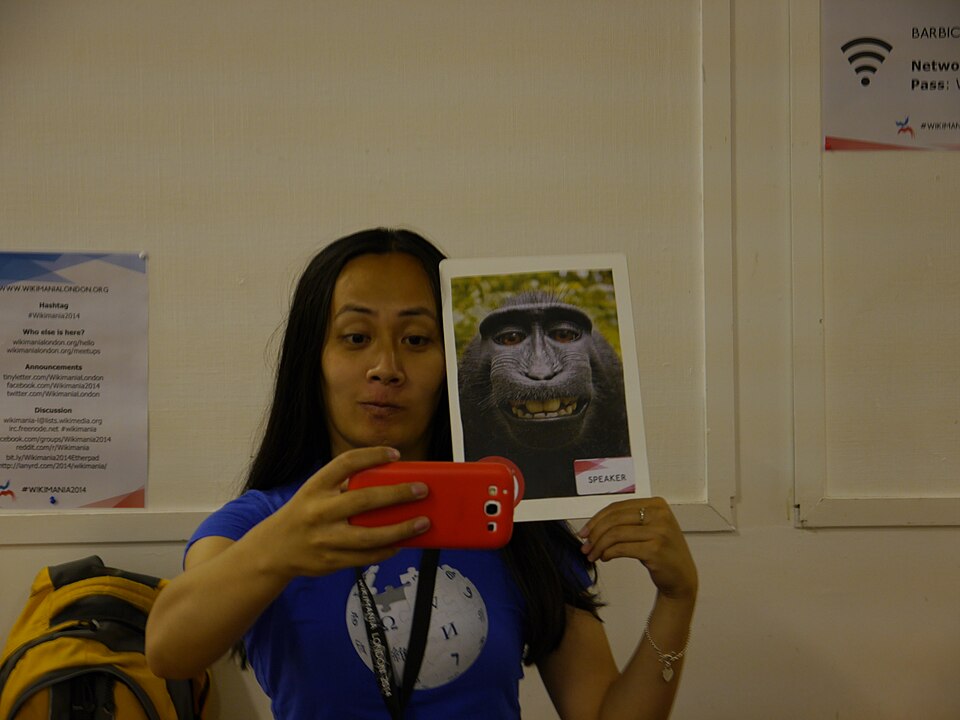
Why Is the Digicam Nostalgia Wave Hitting So Hard Right Now?
The Flash filter didn't emerge in a vacuum. It's the logical peak of a Y2K and late-2000s nostalgia cycle that's been building across fashion, music, and social media for at least two years. Low-rise jeans came back. Flip phones became fashion accessories. And now, the visual language of pre-Instagram photography is having its moment.
There's a deeper cultural logic here too. Gen Z and younger millennials are exhausted by the "Instagram face" era — the poreless, symmetrical, heavily filtered look that dominated from roughly 2015 to 2023. The Flash filter is a direct rebellion against that. It makes you look worse by traditional Instagram standards, and that's what makes it feel authentic.
I've been scrolling through my Stories feed for the past week, and I'd estimate at least 40% of the content I see uses either the Flash filter or a similar digicam effect. My friends who haven't posted a Story in months are suddenly posting three a day. That's the kind of behavioral shift that tells you a trend has real cultural momentum, not just algorithmic push.
How Are Brands Jumping on the Flash Filter Trend?
This is where things get interesting from a marketing perspective. Within days of the filter going viral, brands started using it — and the smart ones are doing it well.
Fashion labels like Zara and Urban Outfitters have posted Reels of models using the Flash filter in what looks like candid behind-the-scenes footage. Beverage brands are shooting their products on kitchen counters with the harsh flash, making sponsored content look like something a college student posted at 2 AM. The whole point is to look unproduced.
"The brands winning right now are the ones willing to look ugly on purpose. The Flash filter gives them permission to stop trying so hard." — Social media strategist quoted by The Verge
I think this is a genuinely smart adaptation. Consumers — especially younger ones — have become incredibly good at detecting polished ad content and scrolling past it. A Flash-filtered product shot in someone's messy apartment registers as authentic in a way that a studio shoot simply can't replicate anymore.
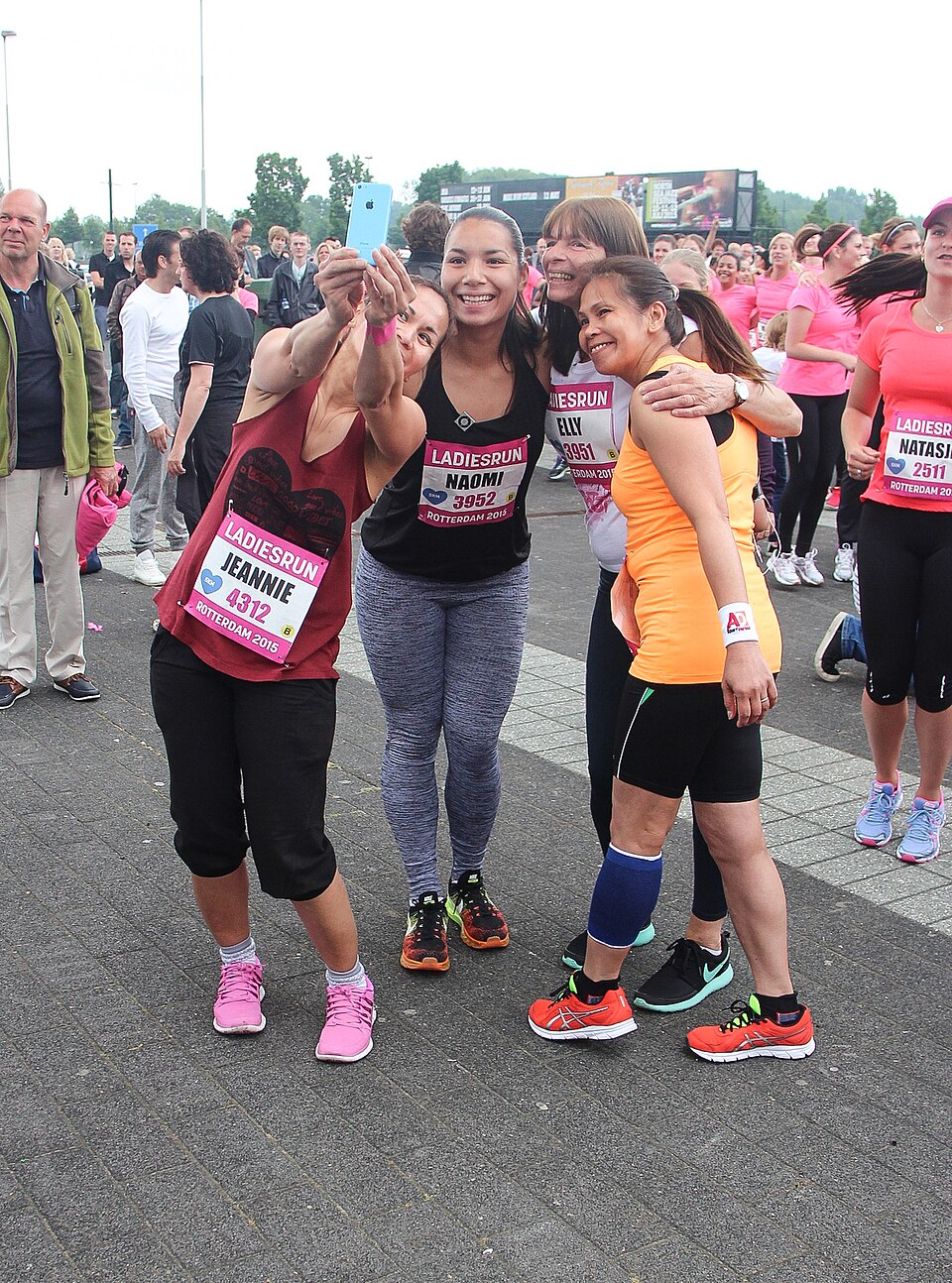
What Other Audio and Visual Trends Are Pairing with the Flash Filter?
The Flash filter isn't living in isolation. It's become part of a broader aesthetic package on Reels and Stories, paired with specific audio trends that reinforce the raw, confessional vibe.
The "I Have Therapy" audio format is the most common companion. Creators film mundane or slightly chaotic moments — eating cereal at midnight, sitting in traffic, staring at their phone in bed — with the Flash filter on and the deadpan "I have therapy" voiceover playing. It's self-deprecating, relatable, and oddly comforting. The combination of harsh flash visuals and mental health humor creates this specific tone that feels very 2026.
Meanwhile, Justin Bieber's "EVERYTHING HALLELUJAH" audio has been dominating Reels since his Coachella performance. Creators use it for more high-energy Flash filter content — night out clips, concert footage, dance videos. The overblown flash aesthetic pairs perfectly with the anthemic, chaotic energy of the track.
I've noticed that the most viral Flash filter Reels tend to be the ones that lean into imperfection. Blurry movement, awkward angles, mid-laugh expressions. The algorithm seems to reward content that looks genuinely spontaneous over content that merely uses the filter as a veneer on top of careful staging.
Is the Flash Filter a Fad or a Lasting Shift in Social Media Aesthetics?
Every viral filter eventually fades, but I think the Flash filter represents something more significant than the usual trend cycle. It's not just a visual effect — it's a philosophical statement about what social media photography should look like.
The demand for "authentic" content has been growing for years. BeReal tried to capitalize on it. TikTok's lo-fi aesthetic pushed it further. The Flash filter is Instagram's answer, and it works because it doesn't require users to change their behavior — it just changes how their existing photos look. That's a much lower barrier to adoption than "post an unedited photo" or "post at a random time."
My prediction: the specific Flash filter will peak within another two to three weeks, but the broader move toward raw, unpolished aesthetics on Instagram is here to stay. Instagram has already signaled that more AI-powered retro effects are coming. The era of the perfect grid is over. The era of the messy, flashlit, 2AM photo dump has begun.
If you're a content creator or a brand and you haven't tried the Flash filter yet, now is the time. The trend is still climbing. In another month, it might feel late. Right now, it feels like you're in on the joke.
Frequently Asked Questions
How do I use Instagram's AI Flash filter?
Open Instagram Stories, swipe to the effects tray, and search "Flash" or "AI Flash." Tap the filter to apply it to any photo or video. It works on both front and rear cameras and processes the image in real time using on-device AI.
Why does the Flash filter make photos look like old digicam shots?
The AI simulates characteristics of late-2000s point-and-shoot digital cameras: harsh direct flash, slight overexposure on skin, warm color cast, subtle noise grain, and softer background detail. It recreates the unpolished aesthetic that defined early social media photography.
Is Instagram's Flash filter available on Android?
Yes. Instagram rolled out the Flash filter to both iOS and Android users globally in early May 2026. If you don't see it, make sure your app is updated to the latest version.
What is the "I Have Therapy" audio trend on Instagram Reels?
The "I Have Therapy" audio is a trending sound clip used in Reels where creators pair mundane or ironic moments with the deadpan statement. It often accompanies the Flash filter for a raw, confessional visual style.
Are brands using the Instagram Flash filter for marketing?
Yes. Fashion labels, beverage companies, and lifestyle brands have adopted the Flash filter in sponsored Reels and Stories to appear more authentic and less polished, aligning with the current consumer preference for raw, unfiltered content.