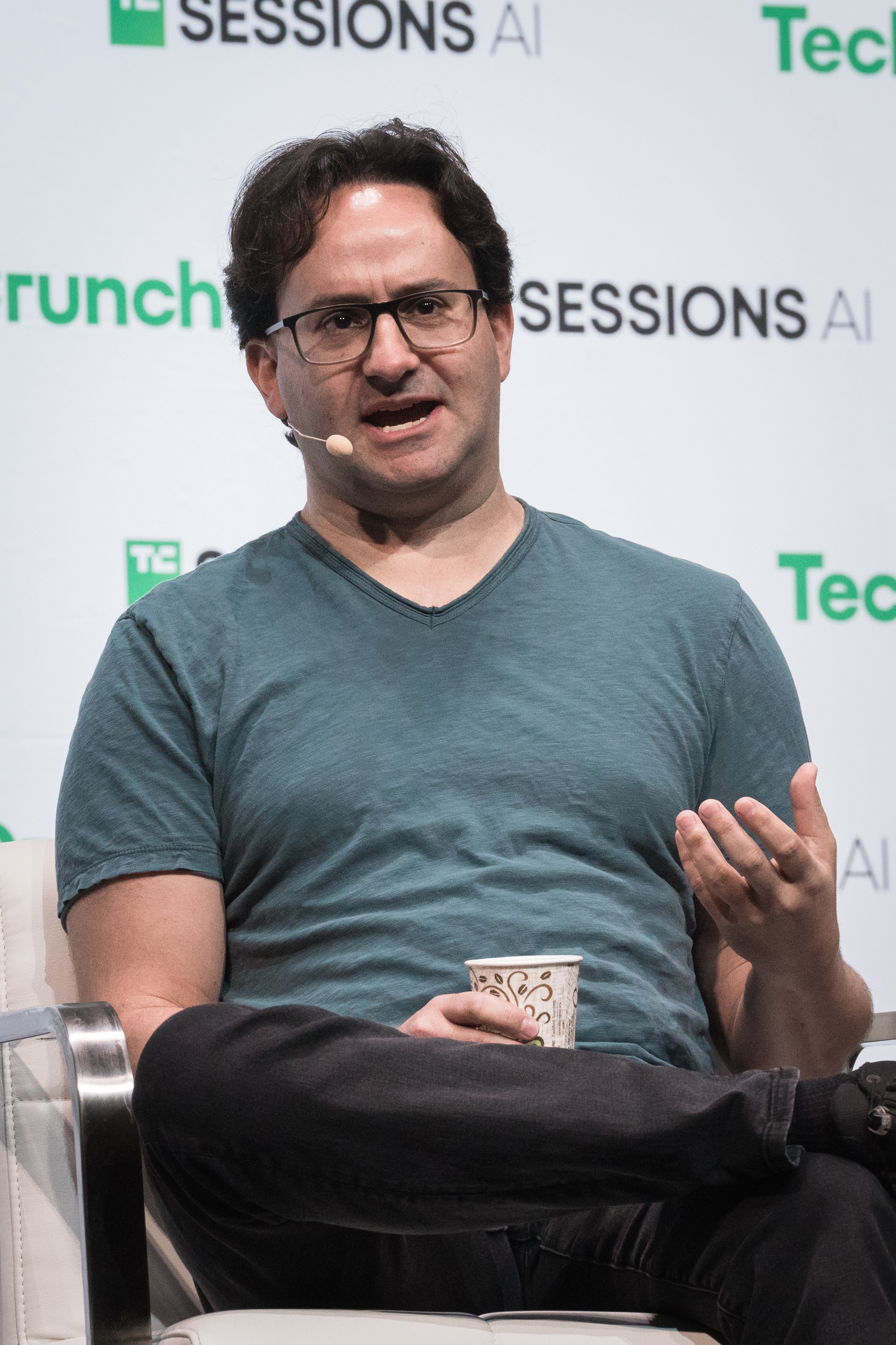
Why This Hire Is a Seismic Shift in the AI Talent War
I think this is huge, and I want to explain exactly why. Pre-training is the foundational, most expensive phase of building a frontier model. It is where a company burns through hundreds of millions of dollars in compute to teach a model everything it will ever know before fine-tuning happens. The number of people on Earth who have run pre-training at the scale of GPT-4 or Claude can probably fit in a single conference room. Andrej Karpathy is one of them, and he just chose Anthropic.
When I first saw the announcement, my immediate question was not why Anthropic but why now. Karpathy spent over a year after leaving OpenAI focused on AI education, building courses and YouTube content that reached millions. He was not in a rush to return to a corporate lab. His own words clarify the reasoning: "I think the next few years at the frontier of LLMs will be especially formative. I am very excited to join the team here and get back to R&D." That is someone who looked at every option and concluded the most interesting work in frontier AI is happening at Anthropic right now.
Karpathy's Career Path
What Karpathy Will Actually Build at Anthropic
The specific mandate is worth unpacking. Karpathy is not joining as a general research scientist. He is working under Nick Joseph, Anthropic's pre-training lead, and will help launch a new team focused on using Claude itself to accelerate pre-training research. Read that sentence again, because it describes a feedback loop that has not existed before at this level: a frontier model being used as a tool to make the next frontier model better.
Pre-training involves making thousands of decisions about data curation, training hyperparameters, model architecture, and compute allocation. Many of these decisions currently rely on intuition, ablation studies, and brute-force experimentation. If Karpathy's team can build pipelines where Claude autonomously runs and evaluates pre-training experiments, the research velocity advantage compounds fast. The team that can iterate on pre-training decisions twice as fast effectively doubles its research throughput without doubling its compute budget.
The Broader AI Talent War: Why Pre-Training Expertise Is the Scarcest Resource
There is a persistent misconception that AI talent is fungible. It is not. The people who can build a chatbot wrapper around an API number in the hundreds of thousands. The people who can lead pre-training of a model that competes with GPT-5 or Claude Opus number in the low hundreds globally. Karpathy is in that second category, and losing him is a genuine strategic setback for whatever organization he did not choose.
I have been following AI hiring patterns for the past three years, and the pattern is clear: the constraint on frontier AI progress is not compute alone but the intersection of compute and the people who know how to use it efficiently. Anthropic already had a strong pre-training team under Nick Joseph. Adding Karpathy does not just add headcount. It adds someone who has done pre-training at two of the three most advanced AI organizations in history, bringing a cross-pollinated perspective that no other single researcher can offer.
How This Reshapes the Anthropic vs. OpenAI Dynamic
The timing is loaded. OpenAI is in the middle of preparing its S-1 filing for an IPO at approximately $852 billion valuation. Anthropic just closed a $30 billion funding round at over $900 billion. And now Anthropic has poached one of OpenAI's co-founders. The optics alone are significant, but the substance matters more. Karpathy joining Anthropic means the institutional knowledge he built at OpenAI during its formative years now resides at a competitor. That kind of knowledge transfer is exactly what OpenAI's IPO investors should be watching.
Meanwhile, OpenAI is pivoting hard toward monetization. It launched an Ads Manager in ChatGPT targeting $2.5 billion in ad revenue by end of year. That is a fundamentally different strategic direction from what Anthropic is doing. Anthropic is doubling down on research and enterprise capabilities. The Karpathy hire reinforces that divergence: Anthropic is betting that the next breakthrough comes from better pre-training, not better ad targeting.
What This Means for the Rest of Us
If you are a developer, researcher, or someone who uses AI tools daily, the Karpathy hire matters because pre-training quality directly determines model capability. A model's ceiling is set during pre-training. Fine-tuning, RLHF, and prompt engineering can unlock what is already there, but they cannot add capabilities that the base model never learned. By investing in making pre-training itself smarter, Anthropic is working on the foundation that determines everything else downstream.
There is also a broader signal here about where the frontier AI race is heading. We are past the phase where hiring 500 junior ML engineers and throwing GPUs at the problem works. The next generation of frontier models will be built by smaller teams of deeply experienced researchers who know where the bottlenecks are and how to break through them. Anthropic just acquired one of the very few people in the world who has that knowledge across multiple frontier programs. That is the kind of asymmetric advantage that compounds over time.