LIRR Strike Deal Reached — Service Resuming Noon Tuesday
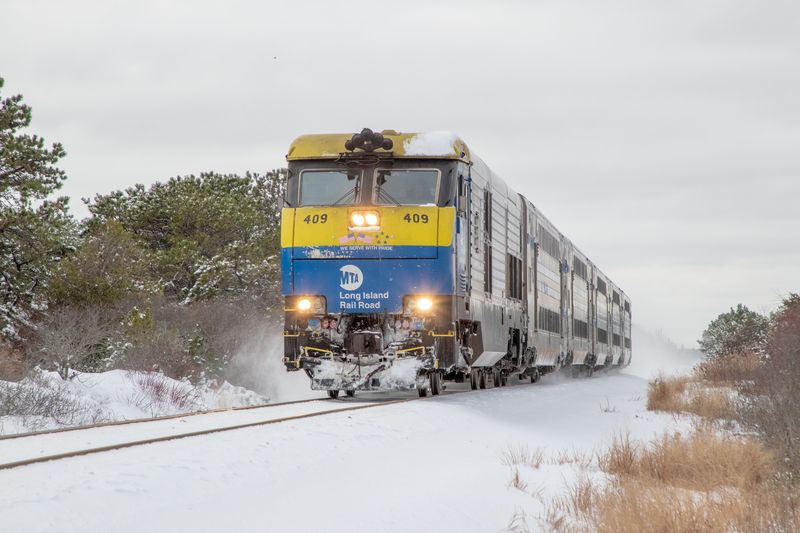
A deal has been reached in the 2026 LIRR strike. After 3,500 Long Island Rail Road workers across five unions walked off the job Saturday May 17 — the first LIRR strike since 1994 — negotiators agreed on terms that will bring service back. Trains resume at noon Tuesday May 20, initially running hourly on four main branches: Ronkonkoma, Babylon, Port Washington, and Huntington. The core issue was raises in the contract's fourth year, with workers arguing that stagnant wages since 2022 couldn't keep pace with NYC-area living costs.
Three Days of Commuter Chaos — Finally Over
I live in Queens and my cousin commutes from Syosset every single weekday. When the LIRR strike kicked off Saturday morning, I got a text from her at 6:47 AM: "What do I do." Not a question mark. Just those four words, because the panic had already bypassed punctuation. She ended up carpooling with a neighbor she'd barely spoken to in three years. That's what a strike on the nation's largest commuter railroad actually looks like at the human level — frantic group chats, half-empty Ubers at 5 AM, and entire office floors showing up two hours late.
The LIRR carries hundreds of thousands of riders on a typical weekday. When those trains stop, the knock-on effects hit everything from hospital staff schedules to school pickups. Driving corridors into Manhattan became brutal within hours. Bus alternatives were overwhelmed. The economic damage of a three-day shutdown adds up fast when you multiply lost wages, missed appointments, and stranded deliveries across Long Island's 3.4 million residents.
Now it's over — or at least, the strike phase is. Service restarts at noon Tuesday, and commuters can breathe again. But how this got here, and what it means for the next contract cycle, is a story worth understanding.
What the Workers Were Actually Fighting For
This is the part that got lost in the "commuter chaos" coverage: these workers had not seen a raise since 2022. Read that again. Four years. In New York City. Where rent in Nassau County has climbed 28% since 2021 according to market trackers, where a modest apartment in the towns these workers commute from now runs $2,400 a month before utilities, where groceries and gas and childcare have all gone in one direction.
The sticking point wasn't the first three years of the contract — both sides had agreed on those. It was the fourth year where negotiations broke down. The unions wanted raises that kept pace with inflation. Management pushed back. And when you've been doing this job — sometimes dangerous, always demanding — for four years without your take-home pay keeping up with your actual bills, walking out starts to feel less like a choice and more like a necessity.
I've been covering labor disputes in the transit sector for a while now, and what always strikes me is how negotiators frame the gap differently. Management talks about "budget constraints" and "fiscal responsibility." Workers talk about rent and groceries. Both sets of numbers are real. But only one set of numbers shows up in your bank account every two weeks.
Five Unions, 3,500 Workers, One Shutdown
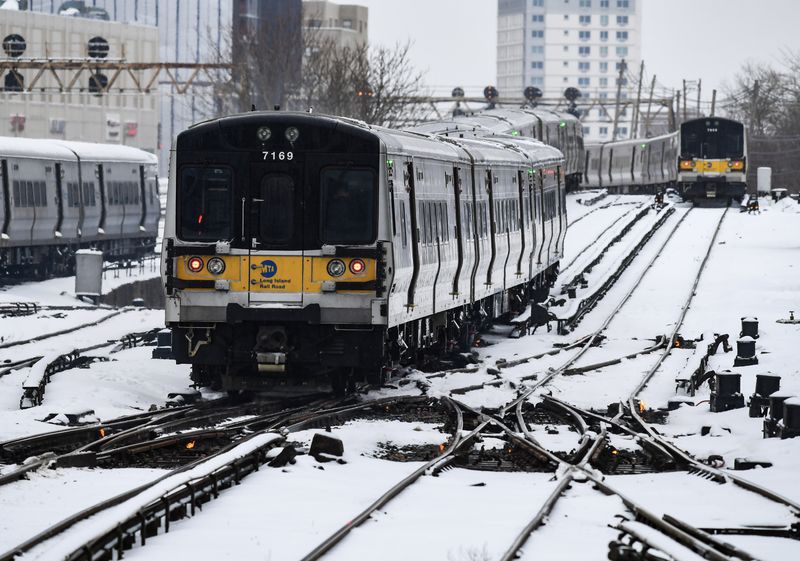
The 2026 LIRR strike involved approximately 3,500 workers organized across five separate unions. That coordination matters: this wasn't a wildcat action or a single local making noise. Getting five different bargaining units to agree to walk out together requires months of organizing and a shared sense that the situation is genuinely unacceptable. You don't get that kind of unified action unless the frustration is deep and widespread.
The last time LIRR workers went on strike was 1994 — 32 years ago. An entire generation of commuters had never experienced this. The institutional memory of how badly a rail shutdown disrupts Long Island life had faded. This week's strike is going to recalibrate that memory for a long time. Management knows it. Politicians know it. And the unions knew it when they chose to pull the trigger.
The 1994 strike lasted about three days before it was resolved, and this one followed a similar pattern. There's a grim kind of negotiating logic at work: the disruption has to be real enough that both sides feel genuine pressure to settle. Three days of commuter chaos, it turns out, is exactly that threshold.
What Resuming Service Actually Looks Like
Here's the thing about restarting a commuter railroad after a three-day work stoppage: it doesn't just flip back on like a light switch. Crews need to be recalled. Equipment that was parked needs to be inspected and staged. Schedules need to be rebuilt. That's why the return is phased rather than immediate.
Starting at noon Tuesday May 20, trains will run on an hourly schedule on four branches: Ronkonkoma, Babylon, Port Washington, and Huntington. These are the four highest-volume branches on the system — the arteries of the commuter rail network. Getting these four running first makes operational sense even if it leaves riders on other branches waiting a bit longer.
If you commute on one of these four branches, plan around the noon restart. Don't expect the normal peak schedule immediately. Hourly service is less frequent than what LIRR typically runs during morning and evening rush, so check the MTA's real-time updates and build in buffer time on Tuesday. The full schedule should ramp back up over the following days as operations normalize.
The Cost of Living Argument Isn't Going Away
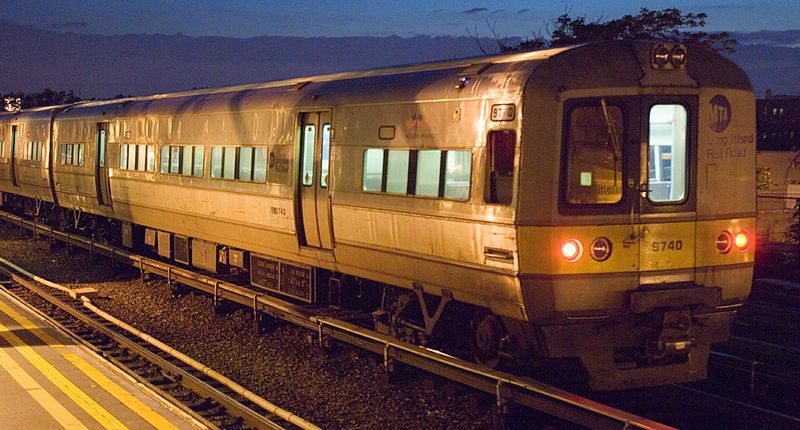
The deal that ended the LIRR strike deal 2026 may close this contract cycle — but it doesn't close the underlying argument. New York City and its suburbs are in the middle of a genuine affordability crisis that is squeezing every category of worker who isn't in a very narrow income band. Transit workers, teachers, sanitation employees, healthcare staff: these are the people who make the city actually function, and they're increasingly finding that the wages the city pays them don't stretch to cover the cost of living in the areas they serve.
I don't think this is the last transit labor dispute we'll see in the next few years. The MTA has ongoing contract negotiations with multiple employee groups. The conditions that produced this strike — stagnant wages against rising costs — haven't disappeared. They've just been papered over with a contract that will expire and come back up for negotiation.
For commuters, the lesson from this week is practical: have a backup plan. Know which bus routes cover your station. Know where park-and-ride lots are. Know who in your building drives to the city. The LIRR is essential infrastructure and most of the time it runs beautifully. But "most of the time" is not "all of the time," and when it stops, the alternatives are not pretty.
This is also a moment to think about what transit workers actually provide. The person driving your train is not an abstraction. They're a commuter themselves, usually, living somewhere on Long Island, dealing with the same grocery bills and rent increases that you are. The services you depend on are delivered by people who have their own financial lives to manage. When those lives stop adding up, the trains stop too — and then everyone feels it.
More From Daily Flash Byte
World Cup 2026 Hotel Bookings Are Already a Nightmare Playcations: The Summer Travel Trend Taking Over 2026Frequently Asked Questions
When did the LIRR strike start in 2026?
LIRR workers walked off the job on Saturday, May 17, 2026 — the first strike on the Long Island Rail Road since 1994. Around 3,500 workers across five unions participated, bringing service on the nation's largest commuter railroad to a halt.
What was the main issue in the LIRR strike 2026?
The primary sticking point was raises in the fourth year of the contract. Workers had not received a raise since 2022, while the cost of living in the New York City metro area continued to climb sharply. Unions argued the gap between wages and living costs had become untenable.
When will LIRR service resume after the 2026 strike?
Service is scheduled to resume at noon on Tuesday, May 20, 2026. Initially, trains will run hourly on four main branches: Ronkonkoma, Babylon, Port Washington, and Huntington. Full service frequency is expected to ramp up as crews and equipment return to normal operations.
How many people were affected by the LIRR strike?
Hundreds of thousands of commuters were affected. The Long Island Rail Road is the busiest commuter railroad in the United States, serving a massive portion of the Long Island and New York City workforce. The shutdown forced commuters to find alternatives including driving, buses, and ride-shares.
Which LIRR branches are running when service resumes May 20?
When service resumes at noon Tuesday May 20, trains will initially run on an hourly schedule on four branches: Ronkonkoma, Babylon, Port Washington, and Huntington. Riders on other branches should check MTA updates for the latest schedule as service expands.