Playcations Are the Defining Summer 2026 Travel Trend — Here's Why Everyone Wants One
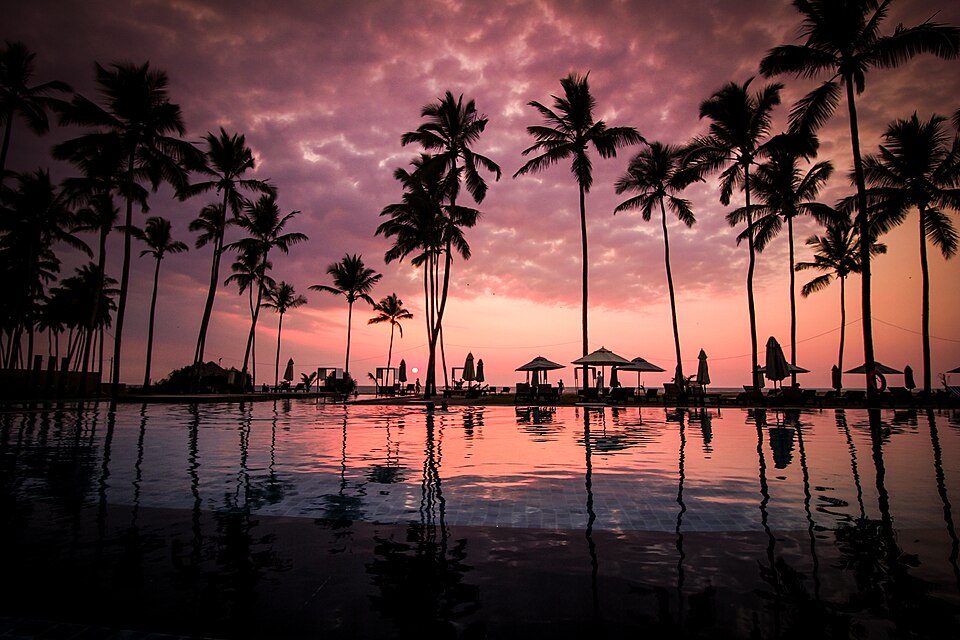
Playcations — vacations designed around interactive play, adventure activities, and built-in entertainment — are the defining travel trend of summer 2026. Forget lying on a beach doing nothing for a week. This summer, travelers are choosing destinations with waterparks, VR gaming lounges, escape rooms, and immersive experiences baked into the itinerary. The shift from passive relaxation to active engagement is being driven by families, couples, and social media culture, and it's reshaping how the entire hospitality industry thinks about what a vacation should be.
What Exactly Is a Playcation, and Why Should You Care?
The word "playcation" sounds like something a marketing team invented during a brainstorming session that went on too long. And honestly, they probably did. But the trend it describes is real, measurable, and already changing how I think about planning my own vacations this summer.
A playcation is a trip where the primary draw isn't the destination itself — it's what you can do there. The beach is nice, sure, but the beach with a 12-slide waterpark, an indoor rock climbing wall, a VR escape room, and a nightly immersive dining experience? That's the playcation. The idea is that modern travelers, especially those under 45, don't want to sit still. They want to be entertained, challenged, and — this is the part that really drives the trend — they want content for their social feeds.
I noticed this shift in my own friend group last year. When planning a group trip, nobody suggested "let's find a quiet beach town." Instead, the conversation immediately went to "which resort has the most stuff to do?" One friend literally ranked potential destinations by the number of Instagram-worthy activities available. That felt absurd to me at first, but the more I thought about it, the more I realized she was just being honest about what everyone was already thinking.
Why Passive Relaxation Is Losing the Battle
I want to be clear — I love a lazy beach day. There is absolutely nothing wrong with lying in the sun reading a book while waves crash in the background. I've done it. I'll do it again. But I've also noticed that by day three of a purely relaxing vacation, I start feeling restless. My brain needs stimulation. My body needs movement. And my phone needs content that isn't just another sunset photo that looks identical to every other sunset photo I've ever taken.
This isn't just me being hyperactive. There's a genuine psychological shift happening in how people relate to leisure time. After years of remote work blurring the line between "working from home" and "living at work," pure relaxation can feel uncomfortably close to the aimlessness that many of us already experience on a random Tuesday. A playcation solves this by providing structured fun — you're not working, but you're also not just... existing. You're doing things. You're having experiences that feel distinct from everyday life in a way that a poolside lounge chair increasingly doesn't.
The hospitality industry has noticed. Hotels that used to compete on thread count and pillow menus are now competing on activity programming. I've seen resort listings in the last month that advertise gaming lounges, competitive obstacle courses, and in-house escape room experiences with the same prominence they used to give to their spas. The spa is still there, but it's no longer the headliner. The headliner is a four-story indoor waterslide that you can ride wearing a VR headset. (I'm not making that up. It exists. I desperately want to try it.)
The Social Media Engine Behind the Playcation Boom
You cannot understand the playcation trend without understanding how deeply social media has rewired vacation decision-making. The question is no longer "where do I want to go?" It's "where will give me the best content?" And before you roll your eyes at that — I did too, initially — consider how fundamentally this changes the economics of travel.
Destinations that photograph well and provide shareable moments have a measurable advantage. A waterpark with a neon-lit lazy river generates more bookings than a waterpark with a beige one because the neon version looks better on Instagram Reels and TikTok. An escape room themed around a popular TV show creates user-generated content that functions as free advertising. Every guest with a phone becomes a potential marketing channel, and the destinations that understand this are winning the summer 2026 booking wars.
I talked to a hotel manager in Cancun last month who told me that their new rooftop VR lounge — where guests can play multiplayer games while overlooking the ocean — had a higher ROI than any marketing campaign they'd ever run. Not because of the revenue from the lounge itself, which was modest, but because guests were posting about it constantly. Every video became an advertisement. Every tagged photo was a endorsement that no amount of paid media could buy. That's the playcation economy in a nutshell: the experience is the marketing, and the marketing is the experience.
Who's Actually Booking Playcations?
The obvious answer is families with kids, and yes, they're a huge part of this trend. Parents have always gravitated toward destinations with activities that keep children entertained, because an entertained child is a child who isn't asking "are we there yet?" or melting down in a hotel lobby. But the playcation trend goes beyond families.
Couples in their late twenties and thirties are increasingly choosing activity-rich vacations over traditional romantic getaways. The candlelit dinner on the beach is still nice, but a couple who spent the afternoon competing against each other in an adventure course has a different kind of bonding story to tell. I went on a playcation-style trip with my partner last fall — we did a cooking competition, a scuba simulation, and a nighttime zip-line course — and I can tell you that we talked about those experiences for weeks afterward. A nice hotel room? You forget it the moment you check out.
Friend groups are another major demographic. The annual friend trip has evolved from "let's rent a cabin" to "let's find a place where we can actually do things together." Board game cafes, competitive socializing venues, and group adventure activities are replacing the "sit around and drink" model of friend vacations. Not entirely — there's still drinking involved, obviously — but the drinking is now happening between activities rather than being the activity itself.
Is This Trend Actually Sustainable, or Just a Summer Fad?
I think it's here to stay, and here's why: the infrastructure is being built. When hotels invest millions in VR lounges, escape rooms, and gaming centers, those installations don't disappear at the end of summer. They become permanent features that reshape the property's identity and attract a new kind of guest year-round. The investment cycle creates its own momentum — once a resort adds interactive entertainment, its competitors have to match it or risk losing market share.
The generational shift supports longevity too. Gen Z and younger millennials grew up with interactive entertainment as a baseline expectation, not a novelty. For them, a vacation without activities is like a restaurant without WiFi — technically functional but weirdly incomplete. As this demographic's spending power increases, the demand for playcation-style travel will only grow.
My prediction: by 2028, the word "playcation" will feel as natural as "staycation" does now. It'll just be how a significant portion of people vacation. The trend isn't really about a specific type of travel — it's about a fundamental shift in what people expect from their leisure time. And that kind of shift doesn't reverse.
Related Stories
Instagram Flash Filter AI Trend — Why Everyone's Using It Swapped: Netflix's New Animated Movie Everyone's Talking AboutFrequently Asked Questions
What is a playcation?
A playcation is a vacation centered around active play and interactive experiences rather than passive relaxation. Think waterparks, adventure courses, VR gaming lounges, escape rooms, and immersive dining as the core attractions rather than traditional beach lounging.
Why are playcations trending in summer 2026?
The trend is driven by travelers wanting destinations with built-in entertainment and shareable experiences. Social media has increased demand for visually exciting, activity-rich vacations, while hotels are investing heavily in interactive amenities to attract this growing market.
Are playcations only for families with kids?
Not at all. While families are a major demographic, couples and friend groups are enthusiastically embracing playcations. Adult-focused options include VR lounges, immersive dining, craft workshops, competitive socializing venues, and adventure sports.
How much does a typical playcation cost?
Costs vary widely. Budget options include regional waterpark resorts and national park adventure trips. Premium playcations at theme park destinations or luxury resorts with entertainment suites can run 20-40% higher than a standard beach vacation, though many activities are included in resort fees.
What are the best playcation destinations for summer 2026?
Top destinations include Orlando for theme parks, Wisconsin Dells for waterparks, Dubai for indoor entertainment complexes, and emerging options in Mexico and the Caribbean where resorts are adding gaming lounges, escape rooms, and adventure courses to their properties.