Monterey Park Just Banned Data Centers Forever — And Other Cities Are Following
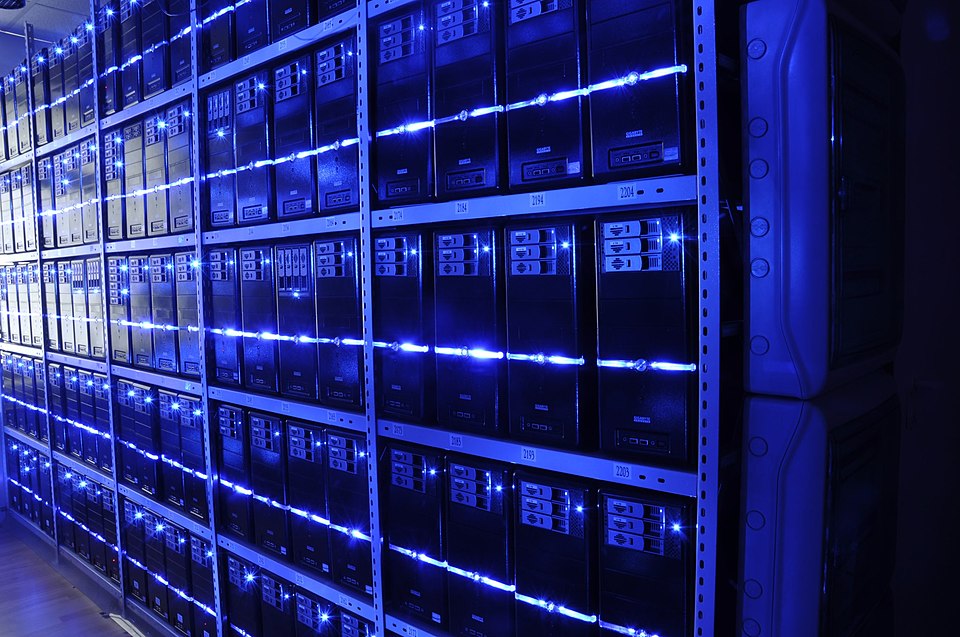
On June 5, 2026, Monterey Park, California became the first US city to permanently ban data center construction through a public vote. Measure NDC passed with 86% support — a direct community revolt against the AI infrastructure boom that's driving up energy costs and pollution in residential neighborhoods.
What Happened in Monterey Park?
Eighty-six percent voting yes isn't just a mandate — it's a revolt. Monterey Park residents didn't narrowly edge out a controversial zoning change. They overwhelmingly rejected the notion that their city should sacrifice livability so tech giants can train the next large language model.
Measure NDC does something no city in America has done before: it permanently prohibits the construction, expansion, or conversion of any building into a data center within city limits. Not a moratorium. Not a temporary pause. A permanent ban, enshrined by direct democracy.
The campaign was driven by a coalition of residents who watched nearby cities transform. They saw the electrical grid strain, heard the constant hum of cooling systems running 24/7, and noticed their utility bills climbing as data centers consumed an outsized share of regional power capacity.
Why Residents Turned Against Data Centers
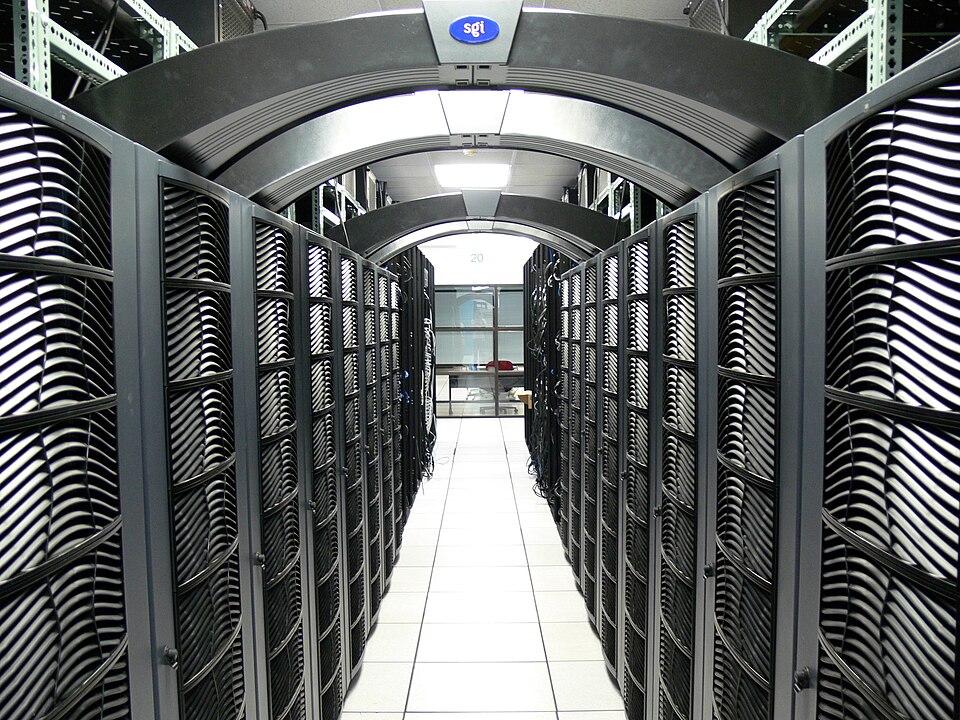
The math is straightforward. A single hyperscale data center can consume as much electricity as 50,000 homes. In a region already dealing with summer brownouts and aging grid infrastructure, that's not an abstract concern — it's a direct threat to quality of life.
Residents raised three core objections during the Measure NDC campaign:
| Concern | Impact |
|---|---|
| Energy consumption | Rising utility bills, grid instability, summer blackout risk |
| Noise pollution | Industrial cooling systems running 24/7, audible from residential blocks |
| Job creation myth | A $500M data center typically creates fewer than 50 permanent local jobs |
The job argument especially stung. Tech companies promised economic development, but modern data centers are increasingly automated. Residents saw warehouses that once employed hundreds replaced by server farms that employ a skeleton crew of technicians.
Which Cities Are Next in the Data Center Ban Wave?
Monterey Park lit the fuse, but the powder was already dry across the country. Within days of the vote, city councils in West Covina, Rosemead, and City of Industry — all in the San Gabriel Valley — began discussing similar measures.
The movement isn't limited to Southern California. Communities in northern Virginia's "Data Center Alley" are pushing back against new developments. Towns in central Ohio that initially welcomed data center tax revenue are now reconsidering as the true infrastructure costs become clear. Parts of Texas, already dealing with grid fragility, are exploring moratoriums.
The AI Infrastructure Problem Nobody Wants to Solve
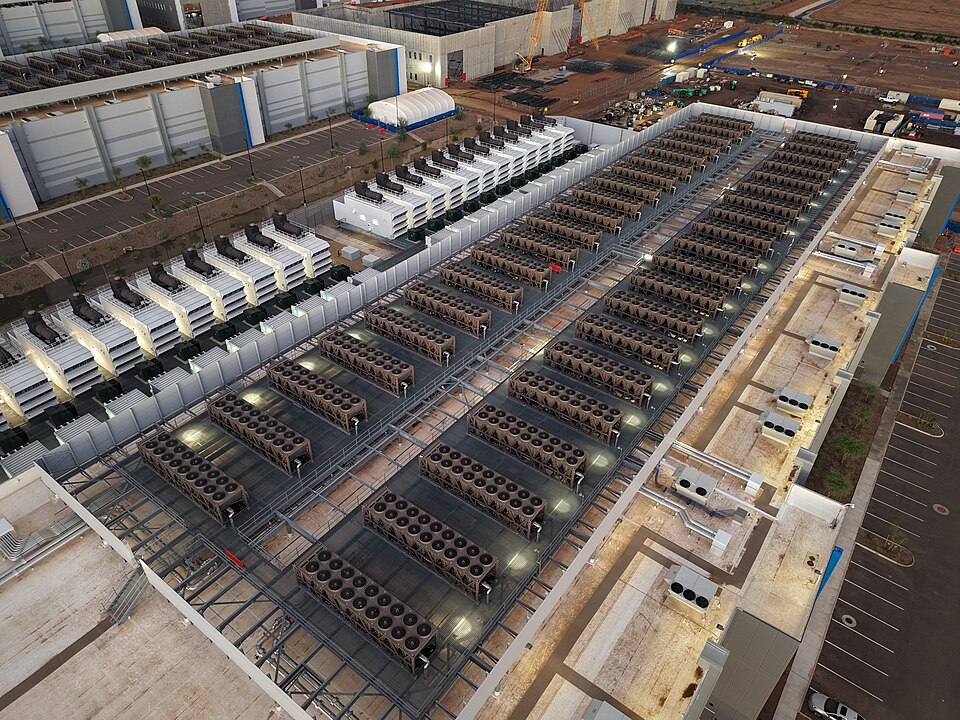
Here's the uncomfortable truth: AI progress requires data centers. Google, Meta, Microsoft, and every AI startup you've heard of need exponentially more compute capacity. The demand curve isn't flattening — it's steepening. OpenAI alone reportedly needs to triple its data center capacity by 2028 just to keep up with inference demand.
But "we need it" doesn't answer the question residents are asking: why should our neighborhood bear the cost?
Data centers generate revenue for tech companies headquartered in San Francisco, Seattle, and New York. The profits flow to shareholders distributed globally. The pollution, noise, and grid strain stay local. This is a textbook externality problem, and Monterey Park voters just said they're done absorbing costs for someone else's gain.
If you're following the AI hardware ecosystem closely, this isn't happening in isolation. The same massive GPU buildout powering AI laptops is driving unprecedented data center demand. And the AI coding tools transforming development all depend on inference infrastructure that has to live somewhere.
What This Means for AI Development Timelines
If bans like Monterey Park's spread — and the momentum suggests they will — AI companies face a new constraint that money alone can't solve. You can't build a data center where it's illegal to build one, no matter how much capital you have.
This could push data center development to more remote locations, increasing latency and operational costs. It could accelerate investment in energy-efficient chip designs that reduce the per-GPU power draw. Or it could simply slow down the AI buildout timeline that companies have been promising investors.
None of these outcomes are catastrophic for AI progress. But they do introduce friction into a system that has been operating under the assumption that compute capacity is limited only by capital — not by community consent.
Frequently Asked Questions
What is Measure NDC in Monterey Park?
Measure NDC is a ballot initiative passed on June 5, 2026, that permanently bans the construction of new data centers within Monterey Park city limits. It passed with 86% voter support, making Monterey Park the first US city to enact such a ban through public vote.
Why did Monterey Park ban data centers?
Residents cited rising energy bills, increased air and noise pollution, strain on the electrical grid, and the displacement of community-serving businesses. Data centers consume massive amounts of electricity and water for cooling while creating very few local jobs.
Which other cities are considering data center bans?
Several cities in the San Gabriel Valley including City of Industry, West Covina, and Rosemead are drafting similar measures. Nationally, communities in northern Virginia, central Ohio, and parts of Texas are exploring moratoriums or permanent restrictions on new data center construction.
How does the Monterey Park data center ban affect AI companies?
AI companies like Google, Meta, and Microsoft that need massive data center capacity for training and inference workloads will need to look elsewhere. The ban could increase costs and extend timelines if the trend spreads to other municipalities.
Is the Monterey Park data center ban legally enforceable?
Yes. Because Measure NDC was passed through a direct public vote rather than a city council ordinance, it carries stronger legal standing. Overturning it would require another public vote or a successful legal challenge arguing preemption under state or federal law.